Thinking about moving to the Reno–Sparks area but not sure which city fits your plans? You want room for your lifestyle, whether that is a larger lot, a future shop, or an easier commute. The good news is you can find strong options in both cities if you know where to look and what to verify before you buy. In this guide, you will learn how Reno and Sparks compare on lots, HOAs, RV and shop potential, commute routes, and permits so you can move with confidence. Let’s dive in.
Reno vs. Sparks overview
Reno and Sparks sit side by side inside Washoe County. Many rules depend on the exact parcel, including whether it sits inside city limits or unincorporated county areas. Reno offers denser urban neighborhoods and suburban growth to the south and west. Sparks includes established suburbs and more semi‑rural neighborhoods to the north and east, including areas like Spanish Springs.
Lot sizes and housing types
Lot size often drives what you can build and where you can park. It also affects utility connections and whether a property is on sewer or septic. Use the Washoe County Assessor parcel data to confirm size and services for any home you are considering.
Urban and infill lots
Urban and infill single‑family lots in the region are commonly about 4,000 to 8,000 square feet. These lots offer efficiency and location but typically have smaller yards and tighter side setbacks. Space for large accessory buildings is limited in these areas.
Suburban single‑family lots
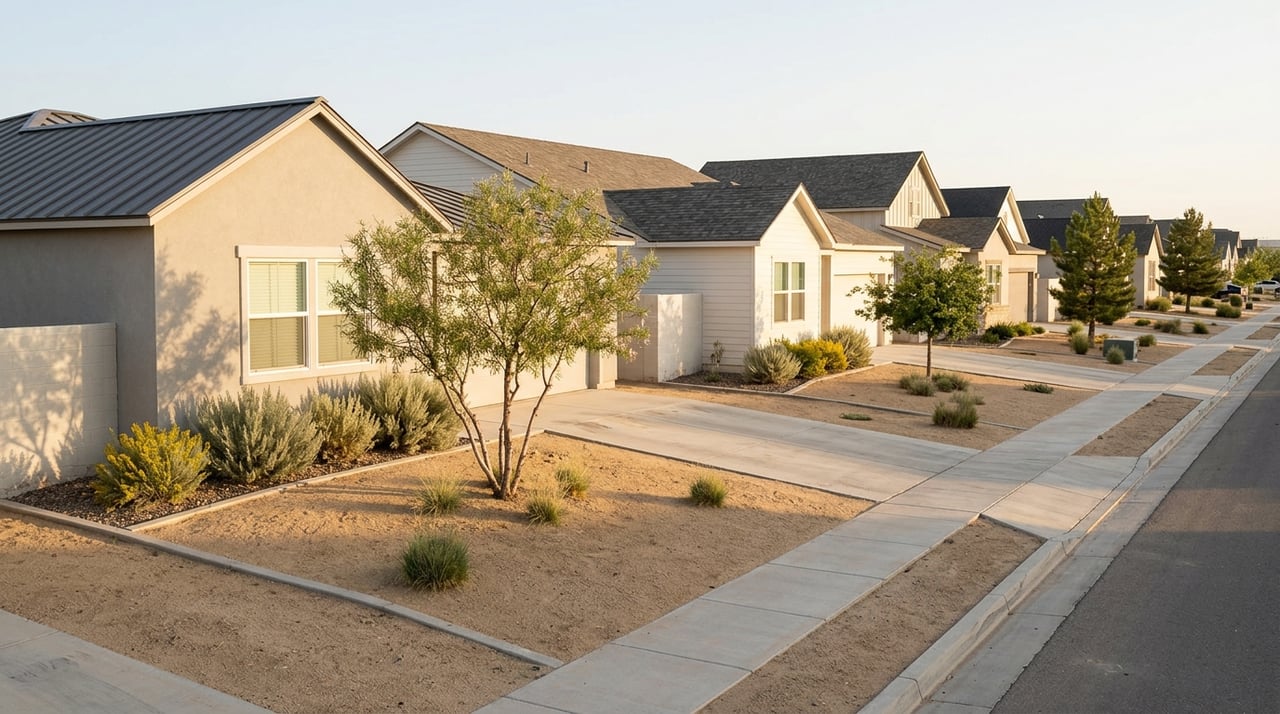
Suburban detached homes often sit on about 7,000 to 15,000 square feet. These yards can better accommodate small shops, RV parking, or expanded outdoor living if you meet setbacks and coverage limits. You will find these lot types in parts of both Reno and Sparks.
Semi‑rural and ranchette parcels
Semi‑rural parcels can range from about a quarter acre to multiple acres. In Sparks, north Sparks and Spanish Springs commonly include larger lots and acreage parcels. These properties allow more flexibility for outbuildings, RVs, and workshops, subject to zoning and any recorded rules.
HOA vs. non‑HOA rules
HOAs are common in many newer subdivisions across both cities, while older grid neighborhoods and some semi‑rural areas often have no HOA. Whether a property is in an HOA shapes what you can do with parking, fencing, and exterior changes.
What to expect in an HOA
Most HOAs have CC&Rs that regulate exterior appearance and accessory structures. You may see rules on RV visibility, required screening, building materials, and placement of sheds or shops. HOAs can require architectural review and charge monthly or annual fees, which are separate from city permits.
When there is no HOA
Non‑HOA homes rely on municipal zoning and building codes only. This can provide more flexibility, but you still must follow setbacks, coverage, height limits, and permitted uses. Always confirm zoning and any recorded covenants before you rely on a verbal assurance.
Smart due diligence steps
- Request the recorded CC&Rs, recent HOA meeting minutes, and architectural review timelines.
- Confirm what is a recorded covenant versus a guideline.
- Verify zoning and accessory use rules with the city or county before you make an offer.
Space for RVs, shops, and ADUs
If you want an RV bay, a hobby shop, or an accessory building, zoning is the primary factor. Lot size helps, but setbacks, lot coverage, and height rules decide what is possible.
Zoning basics that matter
- Setbacks: Minimum distance from property lines for side, rear, and front yards.
- Lot coverage: The percentage of the lot you can develop with structures.
- Accessory building standards: Size and height limits and whether a simplified permit applies for small structures.
RV parking rules to check
Municipal codes often limit RV parking on streets or in front yards. Side‑yard or driveway parking may be allowed on a paved surface if setbacks are met. HOAs frequently have stricter rules, including RV prohibitions or screening requirements.
Building a shop or hobby garage
A typical shop needs a foundation design and an electrical permit, and sometimes plumbing or mechanical permits. If you plan habitable space, such as a loft or ADU, expect additional standards for insulation, egress, and fire separation. Smaller accessory buildings may qualify for simpler permits, while larger shops require full plans and structural review.
Fire, flood, and environmental
Parcels in wildland‑urban interface areas or mapped floodplains face added requirements. You may need defensible space, specific exterior materials, or engineered foundations. Check local fire district guidance and flood mapping early in your planning.
Commute corridors and employers
Your daily route can be as important as your lot size. Commute times depend on origin, destination, and time of day, especially near interchanges.
Key routes
- Interstate 80 is the east–west spine that connects Reno and Sparks and carries most cross‑town traffic.
- Interstate 580 and US‑395 run north–south through Reno and connect to Carson City and areas to the south.
- McCarran Boulevard loops around the urban core, and Pyramid Highway serves northern Sparks and Spanish Springs.
Who drives the traffic
Regional employers shape commute patterns. The Gigafactory and nearby industrial campuses influence housing demand and traffic in northern Washoe County and Sparks. UNR, the airport, healthcare systems, and hospitality employers concentrate activity in the core urban areas.
Permitting in Reno, Sparks, and the county
Permits and inspections protect you and help with resale. Knowing the basics helps you plan realistic timelines and budgets.
Who issues permits
- City of Reno Building and Safety serves properties inside Reno city limits.
- City of Sparks Community Development and Building handles Sparks addresses.
- Washoe County Building and Safety covers unincorporated parcels.
Typical steps and timelines
The process usually includes a zoning check, plan submittal, plan review, permit issuance, and inspections. Minor permits for small accessory buildings or basic electrical or mechanical work can be issued in days to a few weeks if submittals are complete. Larger accessory buildings or additions that need structural review often take several weeks, and 4 to 12 or more weeks is a reasonable planning window depending on backlog and complexity.
What can slow you down
Incomplete plans, required corrections after the first review, floodplain or special‑district constraints, wildfire mitigation steps, and HOA architectural approvals can all extend timelines. Permit fees vary by jurisdiction and project valuation, and impact fees or utility connection fees may apply for new construction. Plan on scheduling inspections at key phases and keep records for future resale.
Quick decision guide
- Choose Sparks if you want more semi‑rural options and larger lots in areas like north Sparks and Spanish Springs, with routes that connect to I‑80 and Pyramid Highway.
- Choose Reno if you prefer denser urban neighborhoods or suburban corridors to the south and west, with access to I‑580 and US‑395.
- In either city, confirm zoning, lot coverage, and setbacks before planning an RV pad or a shop.
- If you prefer fewer private restrictions, focus your search on non‑HOA areas after you confirm zoning allows your intended use.
Pre‑purchase checklist
Use this practical checklist before you write an offer, especially if RV parking or a shop is a must.
- Check the parcel in the Washoe County Assessor viewer for lot size and legal details.
- Confirm zoning on the City of Reno or City of Sparks zoning map, or Washoe County maps for unincorporated parcels.
- Pull municipal code sections for accessory structures, RV parking, lot coverage, setbacks, and ADUs.
- Request recorded CC&Rs and HOA rules, and clarify the architectural approval process and enforcement history.
- Ask the planning or building department for a pre‑application or a zoning verification letter that addresses your use and typical permit timelines.
- Review FEMA flood maps and local fire district WUI maps for added constraints.
- Verify utility availability, including sewer or septic and water source, and confirm electrical capacity if you plan a powered shop or RV hookups.
- Budget time for plan review, revisions, and inspections, and ask sellers for copies of permits for existing outbuildings or conversions.
Ready to compare specific neighborhoods and parcels that fit your plans for lot size, shop space, and commute routes? Get local, practical guidance tailored to your move. Connect with Kimberlie Buffington for straight answers and on‑the‑ground support.
FAQs
What are the main lot size differences between Reno and Sparks?
- Both cities offer urban, suburban, and semi‑rural options, but Sparks includes more semi‑rural neighborhoods in the north and Spanish Springs where larger lots and acreage parcels are common.
How do HOAs affect RV parking and shops in Reno–Sparks?
- HOAs often regulate RV visibility, require screening, and control accessory structures through CC&Rs and architectural review, while non‑HOA areas rely on municipal zoning and building codes only.
Which commute routes serve Sparks and the north valleys?
- Interstate 80 connects Sparks to Reno, and Pyramid Highway serves northern Sparks and Spanish Springs, with McCarran Boulevard providing a loop around the core areas.
How long does it take to permit a detached shop?
- Simple accessory buildings can be permitted in days to a few weeks if plans are complete, while larger shops needing structural review often take 4 to 12 or more weeks depending on backlog and complexity.
Who issues building permits for my project?
- City of Reno handles permits inside Reno, City of Sparks handles permits for Sparks addresses, and Washoe County handles permits for unincorporated parcels.
What should I verify before making an offer if I need RV space?
- Confirm zoning, setbacks, lot coverage, and any HOA rules, and request a zoning verification letter along with utility availability and flood or WUI constraints.