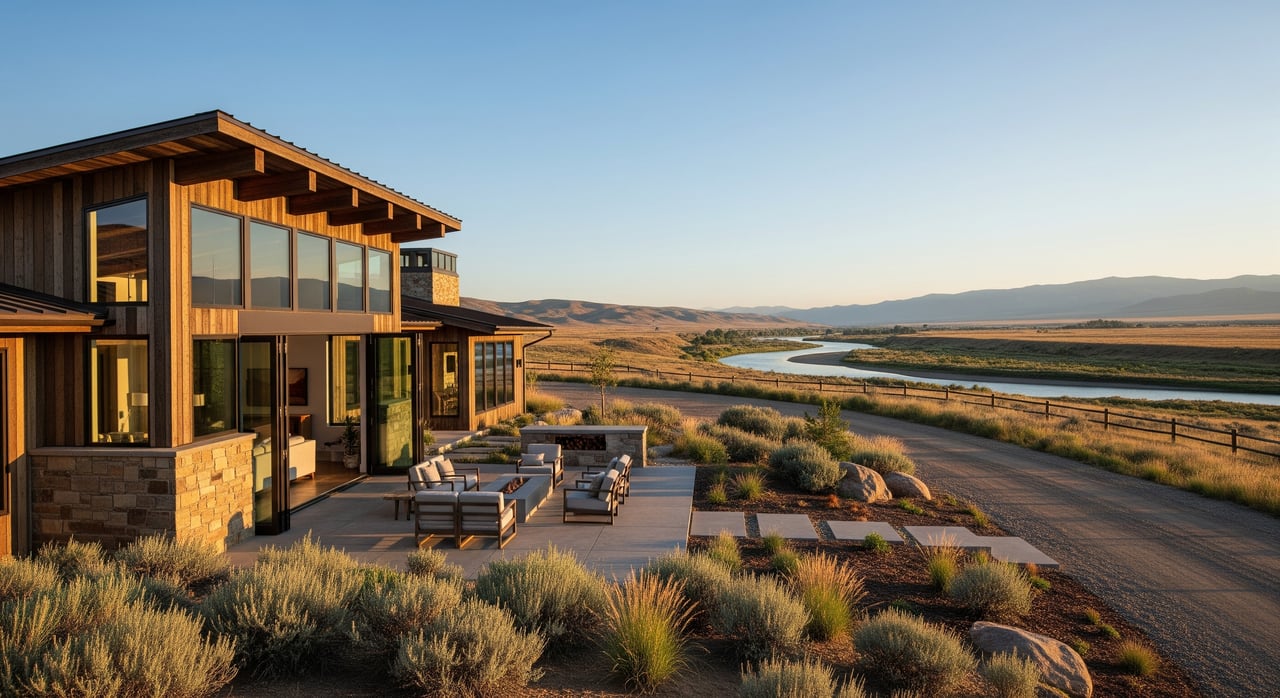
Do your weekends start with loading the trailer, saddling up, or pointing the truck toward open country? In Winnemucca, outdoor access shapes how you live day to day and what you need from a home or piece of land. If you want quick BLM access, room for horses, a proper shop, or RV storage, the right features make all the difference. This guide shows you what to look for, what to verify, and how to match a property to the way you actually spend time outside. Let’s dive in.
Why outdoor access drives value in Winnemucca
Winnemucca sits in a high-desert valley along the Humboldt River, surrounded by wide basins and mountain ranges. Much of the land around town is managed by the Bureau of Land Management, with pockets of Humboldt–Toiyabe National Forest and state lands. That public land network is where most OHV riding, dispersed camping, hunting, horseback riding, and off-grid exploring happens.
Because public lands are usually a short drive from many rural properties, the details of access matter. County roads, two-tracks, and easements determine how quickly you reach the open ground. The high-desert climate also influences water supply, landscaping, and fire safety, which can affect your daily routines and long-term plans.
Match your lifestyle to property features
Quick BLM and trail access
If your priority is fast access to riding, hiking, or camping, confirm the property is set up for it.
- Look for a short drive to a maintained county road that connects to public access points.
- Confirm legal, recorded access through public frontage or a deeded easement. Avoid gaps where a “paper road” does not exist on the ground.
- Make sure the driveway and gates fit trailers and OHV rigs, with gentle grades and room to turn around.
- Check for trailer parking or a compacted pad for staging.
- Verify seasonal road conditions, winter maintenance, and any public land route closures before you plan your routine.
Equestrian friendly homes and land
Horse properties around Winnemucca range from small acreages to larger setups. Focus on function and water reliability.
- Prioritize usable acreage with safe fencing, cross-fenced pastures, and proper corral or turnout space.
- Look for barn and stable features such as 10x10 to 12x12 stalls, a secure tack room, and hay storage with ventilation.
- Confirm a reliable well or domestic water source with capacity for household and stock use.
- An all-weather arena with drainage adds year-round value, plus safe access to nearby public lands for longer rides.
- Check zoning or HOA rules for animal counts, setbacks, and manure management requirements.
Shop and garage space for gear
Many local buyers need space for trucks, trailers, side-by-sides, and tools. The right shop improves daily life.
- Measure door heights. For RVs or tall trailers, 12 to 14 feet is common.
- Check electrical service for 220 or 240 volt and adequate amperage for welders and equipment.
- Look for a sound concrete slab and clear-span space if you plan to work on vehicles.
- Confirm the shop was built with permits and that electrical work is permitted and safe.
RV storage and seasonal use
If you camp on the weekends or want to host visiting rigs, plan for storage and hookups that fit local rules.
- Seek a level, compacted RV pad with easy access and a wide turning radius.
- Identify available electrical hookups and how gray water and sewer will be handled.
- Ask Humboldt County about any limits on long-term RV occupancy on private property.
- Consider winter access, snow plowing, and whether the pad sits near water and septic for short-term hookups.
Hunting proximity and safety
Properties that border public land appeal to hunters. Make sure the setup protects livestock and respects boundaries.
- Inspect fence lines, gates, and locks to manage access and prevent animal escapes.
- Confirm boundary lines and whether the parcel is an inholding inside public land.
- Plan safe storage for gear, coolers, or walk-in space if you expect extended seasons.
Key infrastructure and permitting in Humboldt County
Wells and water rights
In the high desert, well yield can be the limiting factor for home and livestock. Verify the well log, recent pump test, and water quality. If surface or irrigation rights are claimed, confirm them through state records. A reliable water source is essential for barns, arenas, gardens, and basic household needs.
Septic systems
Rural homes typically rely on septic. Check permits, capacity, age, and the last inspection date. If you plan to add a shop sink, an RV dump, or a casita, confirm that your septic system can handle it and that the location meets setback and health department rules.
Zoning and accessory structures
Zoning affects animal counts, minimum lot sizes, shop footprints, and outbuilding setbacks. Review county rules before you build a barn, extend a shop, or pour an RV pad. Unpermitted structures can slow a sale, so sellers should gather documentation and buyers should ask for it.
Roads and legal access
Access issues are common in rural areas. Confirm recorded legal access to the property and understand who maintains the road. If a private road agreement or HOA manages maintenance, get those details in writing before you close.
Fire safety and defensible space
Sagebrush, seasonal winds, and dry summers increase wildfire risk. Plan defensible space, hardened roofing, and accessible water for suppression around homes, barns, and shops.
Public land rules
BLM and the U.S. Forest Service manage travel routes and camping rules. Some units allow open riding while others require you to stay on designated routes or follow seasonal closures. Always check current management maps and notices before you head out.
Buyer checklist for Winnemucca outdoor living
Use this list to compare properties and organize due diligence.
- Distance and drive time to the nearest BLM or USFS access point or staging area.
- Recorded, legal access to the property and clarity on public road frontage or easements.
- Road condition, winter maintenance history, and whether high clearance is needed.
- Driveway width, gate clearances, and turnaround space for bumper-pull or gooseneck trailers.
- Well log, recent pump test in GPM, and water quality results; any surface water rights.
- Septic permits, system capacity, and last inspection or pumping date.
- Building permits for barns, shops, garages, additions, and electrical upgrades.
- Electrical capacity and service amperage; room for expansion if needed.
- Fencing type and condition, cross-fencing, and pasture drainage for horses.
- Barn and stall dimensions; hay storage capacity and ventilation.
- Existing RV hookups: 30 or 50 amp service, water, and sewer or gray-water plan.
- Storage capacity for ATVs, boats, and trailers; covered versus uncovered options.
- Zoning, covenants, or deed restrictions on animals, RVs, shops, or home-based businesses.
- Neighbors’ typical land uses and any buffer expectations, especially near public land.
- Firewise practices and local hazard mitigation programs that may guide landscaping or improvements.
Tips for sellers highlighting outdoor access
- Provide a simple one-page map with the best route to a common BLM staging area and typical drive times.
- List shop specifications: door height, slab thickness, electrical service, and clear span.
- Measure driveway widths and turning radii for trailers, and note gate widths.
- Gather well logs, pump test results, septic permits, and any water rights documentation.
- Document building permits for barns, arenas, and shops, plus any approved RV hookups.
- Clarify legal access and who maintains the road, including winter plowing details.
- For horse setups, outline stall sizes, turnout dimensions, fencing type, and stock water arrangements.
Getting local answers
Before you write an offer or set a list price, reach out to the right offices. The BLM Winnemucca Field Office can confirm route designations and travel rules. Humboldt County planning, building, recorder, and health can verify zoning, permits, easements, and septic records. The Nevada Division of Water Resources maintains well and water rights records, and the Nevada Department of Wildlife provides hunting and fishing regulations and unit maps. These resources help you match the property to your outdoor goals with confidence.
Ready to find a property that fits your outdoor life in Winnemucca? Talk with someone who understands land, water, access, and rural logistics. Connect with Kimberlie Buffington for straight answers and local guidance.
FAQs
How close are public lands to most Winnemucca-area homes?
- Many rural properties sit within a reasonable drive of BLM lands, but exact access depends on county roads and recorded easements. Verify with maps and local road offices.
What should I verify about a well for horses and household use?
- Get the well log, a recent pump test in GPM, and water quality results. Confirm suitability for household and stock use, and ask about any surface water rights.
Can I build a barn or keep several horses on my acreage?
- Often yes, but you must check zoning, lot-size requirements, setbacks, and animal count rules. Plan for supplemental feed in a high-desert climate.
Is dispersed camping allowed on nearby BLM land?
- Dispersed camping is commonly allowed but may be subject to route designations, seasonal restrictions, and local closures. Review current BLM travel management information.
What matters most in a shop for trucks, RVs, and equipment?
- Door height, clear-span interior space, slab quality, and electrical service are key. Confirm that the structure and wiring were permitted.
Are there restrictions on long-term RV living on private property?
- Counties and HOAs often limit long-term RV occupancy. Check Humboldt County rules and any covenants before you plan extended stays.