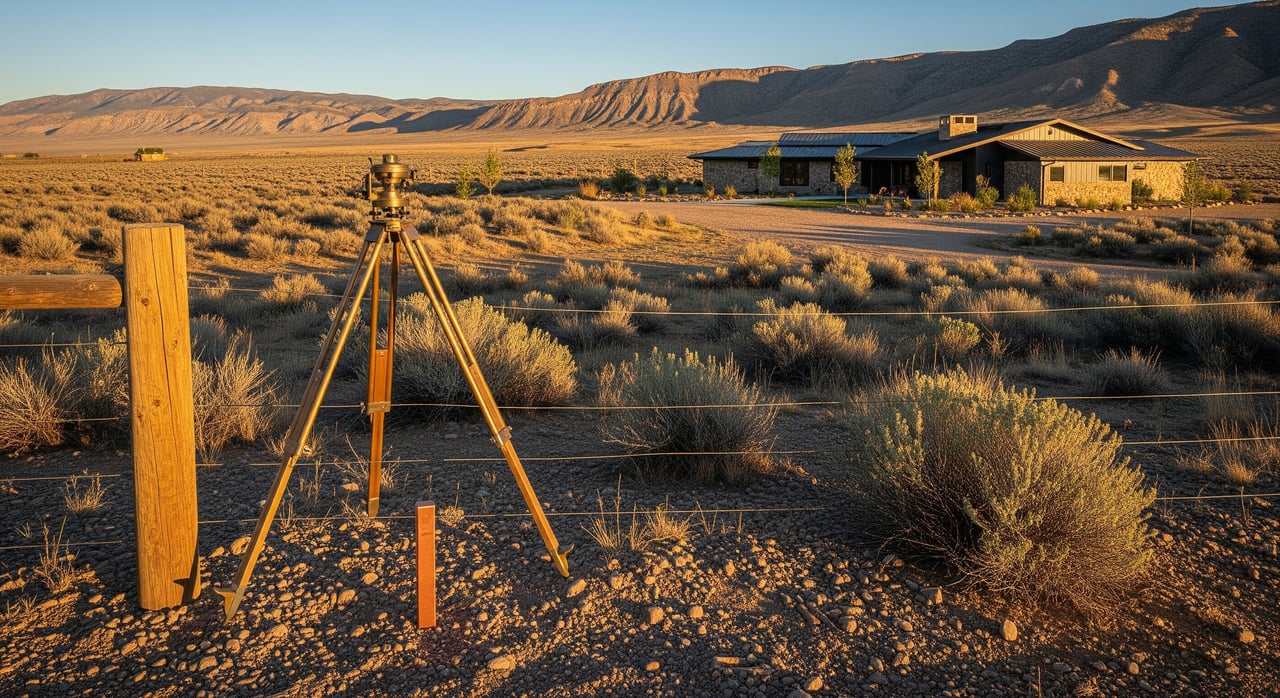
Buying land near Winnemucca can feel straightforward until you hit one big question: do you actually own the minerals under your parcel? In Northern Nevada, that detail matters. You want to know if someone else can access the subsurface, whether a past deed reserved minerals, and how it could affect your plans and resale value. In this guide, you’ll learn what mineral rights are, how they work in Humboldt County, and a clear checklist to research them before you close. Let’s dive in.
Why mineral rights matter
Nevada is a major mining state. Around Winnemucca, parcels often sit near historic mining districts, Bureau of Land Management lands, and patented mining claims. That history increases the chance that minerals were severed in a past deed or reserved in a federal patent.
Mineral rights can affect your surface use, future development, and ability to insure title. If minerals are owned by someone else, that owner or their lessee may have access rights subject to permits and regulations. Abandoned mine features can also create safety and environmental issues. The bottom line is simple. You cannot assume the surface deed includes the minerals.
What “split estate” means
When one party owns the surface and a different party owns the minerals, you have a split estate. In many places, the mineral estate is treated as dominant. That means the mineral owner has broad rights to access and develop minerals, with rules that balance surface impacts and require compensation where applicable. Policies and permitting limit how, when, and where activity can happen, but you should still plan around the possibility of access requests.
How mineral rights get severed
Mineral rights can be separated from the surface in several ways. Understanding these paths helps you focus your title search and questions.
Deeds and reservations
A prior deed may include language that reserves “all minerals,” or specific categories like “oil, gas, and other hydrocarbons.” You might also find “excepting and reserving all minerals” or similar phrases. These recorded reservations can run with the land and survive multiple ownership changes.
Federal patents and land grants
Many historic land patents in Nevada reserve minerals to the United States. These reservations appear in the patent documents. Even if you own the surface today, federal minerals could remain in place under the parcel.
Separate mineral conveyances
A past owner may have sold or conveyed the mineral estate to a third party. Those conveyances are typically recorded and may show up as mineral deeds, royalty deeds, or leases.
Mining claims
On federal lands, hardrock minerals can be subject to locatable mining claims under federal law. You can find claim information in BLM records and mapping systems. Active claims in the vicinity do not always mean your surface is public, but they signal potential mineral activity that could affect access or future operations nearby.
Types of minerals and rules
Not all minerals are treated the same. In Nevada, the category often determines which rules apply.
- Locatable minerals: Hardrock metals like gold and silver are generally handled under the Mining Law of 1872 on federal minerals. Private mineral owners may also hold rights on private minerals.
- Leasable minerals: Oil, gas, and coal on federal lands follow the federal Mineral Leasing Act. State-level oil and gas administration can also apply.
- Geothermal: Nevada has notable geothermal resources. Geothermal exploration and production follow specific state and federal permitting.
- Saleable minerals: Sand, gravel, and common rock are often managed with local or state permits depending on the landowner and jurisdiction.
Knowing which category applies will help you find the right records and permits.
Records to check first
Do not stop at a quick deed pull. In Humboldt County, a thorough search touches county, federal, and state sources.
Humboldt County records
Start with the County Recorder for the deed chain. Read each deed and look for mineral reservations or exceptions. Check for recorded mineral deeds, leases, easements for mining access, or rights-of-way. The County Assessor can provide parcel maps and legal descriptions that help you match records to the correct land.
BLM records and patents
Search BLM patent records to see if the United States reserved minerals when the land was first patented. Review BLM mining claim data and mapping tools to locate any active or historic claims in or near your parcel. The Winnemucca District and Field Office can provide guidance on land status and claim filings.
Nevada state resources
The Nevada Division of Minerals provides information on geothermal, oil and gas, and abandoned mine hazards. The Nevada Division of Environmental Protection maintains reclamation and enforcement records for current and former mining operations. For broader resource context, consult mapping from the Nevada Bureau of Mines and Geology and the U.S. Geological Survey.
Title insurance considerations
Standard owner’s title policies often exclude minerals or list reservations on the exceptions schedule. Ask your title company to explain whether minerals are insured and which exceptions apply. Some endorsements may add limited protection. If you see mineral-related exceptions, consider an attorney review.
Step-by-step due diligence
Use this sequence to keep your research organized and efficient.
- Preliminary property data
- Confirm the parcel number and legal description from the seller or assessor.
- Pull the assessor map to confirm boundaries.
- Quick county review
- Scan recent and prior deeds for reservation language such as “excepting and reserving all minerals.”
- Look for mineral deeds, leases, or recorded easements.
- BLM and federal checks
- Review BLM patent records for federal mineral reservations.
- Map and check nearby mining claims through BLM databases or the Winnemucca Field Office.
- Title search and legal review
- Order a title report that highlights mineral exceptions and reservations.
- If the chain shows severances or complex language, ask a Nevada real estate attorney to explain the effect and scope.
- Seller representations
- Request a seller affidavit stating what mineral rights they own and disclosing any reservations, leases, or royalties.
- Use escrow to address any conflicts or missing documents.
- Environmental and physical hazards
- Check state records for past mine permits, reclamation, or enforcement history.
- Walk the site to look for shafts, adits, tailings, or other mine features.
- If you plan commercial development, consider a Phase I Environmental Site Assessment.
- Leases and operations
- Search for recorded oil, gas, geothermal, or mineral leases that grant third-party access.
- Verify whether any active mining permits or notices exist.
- Negotiate protections
- If minerals are severed, negotiate a surface-use agreement that limits where and how access can occur.
- Consider a buyout of mineral rights or a written waiver from the mineral owner.
- Use escrow holdbacks to address potential surface damage.
- Title insurance and endorsements
- Confirm whether your owner’s policy covers minerals at all.
- Ask about endorsements that may reduce risk tied to mineral exceptions.
- Closing options
- If owning the minerals is essential, try to purchase them by recorded mineral deed.
- If a lease is the problem, explore a termination or release as a condition of closing.
Permits and approvals
Any exploration, drilling, or mining activity generally requires permits at the federal and state levels. Bonding and reclamation rules apply to many operations. Geothermal and oil or gas projects follow their own processes. If you see signs of prior activity, check for existing bonds or permits. These can flag obligations or ongoing responsibilities.
Timeframes to expect
- County and title checks: a few days to two or three weeks depending on complexity and backlog.
- BLM claim and patent research: a few days to two weeks.
- Attorney review and title endorsements: one to three weeks.
- Environmental assessments: two to four weeks.
- Negotiations for mineral waivers or purchases: weeks to months based on third-party responsiveness.
Build these windows into your due diligence period so you can act without rushing.
Risks to watch
- Late discovery of reservations that restrict development or reduce value.
- Active leases or claims that create future access rights or operations.
- Abandoned mine hazards, subsidence, and historical contamination that affect usability and cost.
- Title policies that exclude minerals or leave key risks as exceptions.
- Access constraints due to topography or recorded rights-of-way.
Strategies that protect you
- Read the deed and the title exceptions line by line. If you are unsure, hire a Nevada attorney with mineral experience.
- If exclusive surface control is important, pursue a surface-use agreement, mineral purchase, or written waiver from the mineral owner.
- Require a seller mineral-rights affidavit and attach it to your contract.
- If you are out of state, budget extra time and use a local title company that understands mining and BLM issues.
- For small parcels where you want long-term peace of mind, consider a recorded waiver or quiet title action if appropriate.
Local contacts to start with
- Humboldt County Recorder and Assessor for deed chains, leases, and parcel maps.
- BLM Winnemucca District and Field Office for patents, claims, and land status.
- Nevada Division of Minerals for geothermal, oil and gas, and abandoned mine programs.
- Nevada Division of Environmental Protection for reclamation and enforcement records.
- Nevada Bureau of Mines and Geology and USGS for geologic context and resource maps.
- Local title companies and Nevada attorneys who handle split-estate issues.
- Experienced land brokers and appraisers familiar with Humboldt County minerals.
What this means for Winnemucca buyers
Treat mineral rights as a core part of your land due diligence. In this region, the odds of a split estate or reserved minerals are higher than in many residential markets. A structured search through county records, BLM patents and claims, and state agencies will help you understand what you are buying. Add clear seller disclosures, targeted title insurance questions, and practical negotiations for surface protections. That approach reduces surprises and supports a smoother closing.
If you would like help sourcing records, coordinating a title review, or shaping contract protections, connect with a local team that does this work every week. Reach out to Kimberlie Buffington for practical guidance tailored to Winnemucca and greater Humboldt County.
FAQs
What is a split estate in Winnemucca?
- A split estate means one party owns the surface and another owns the minerals. Around Winnemucca, past patents and deeds often created these separations.
How do severed minerals affect building a home?
- A mineral owner or lessee may have limited access rights for exploration or production, subject to permits and rules, which can influence site plans and long-term use.
How do I check if the federal government reserved minerals?
- Review BLM patent records for your parcel’s original patent. Federal reservations are listed in those documents and can remain in place under your land.
Do standard title policies cover mineral rights?
- Many owner’s policies exclude minerals or list them as exceptions. Ask your title company what is covered and whether endorsements are available.
What should I ask a seller about minerals?
- Request a mineral-rights affidavit and ask about any reservations, leases, royalties, easements, or prior mining or reclamation on the property.
How long does mineral due diligence take?
- Plan for several weeks. County and BLM checks can be done in days, but title reviews, attorney input, and negotiations often extend timelines.
Can I buy the mineral rights later?
- Sometimes. If you can identify and contact the mineral owner, you may negotiate a purchase, waiver, or surface-use agreement and record the document at closing or later.