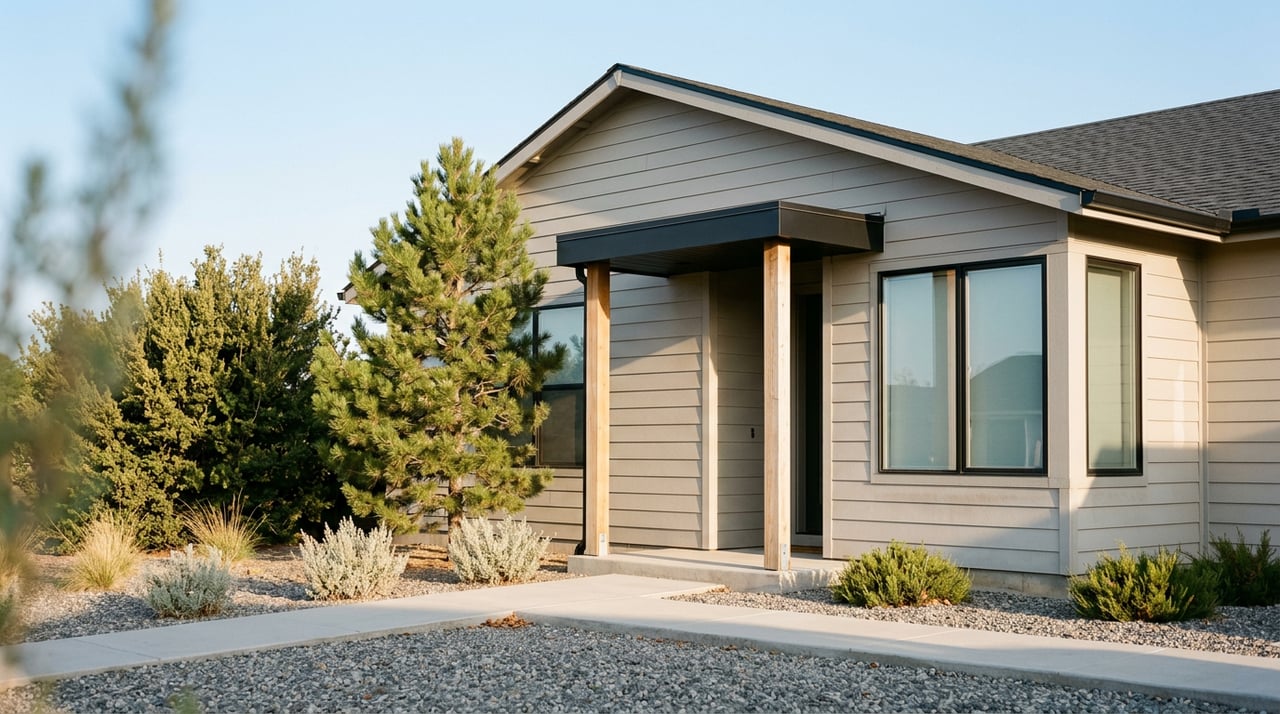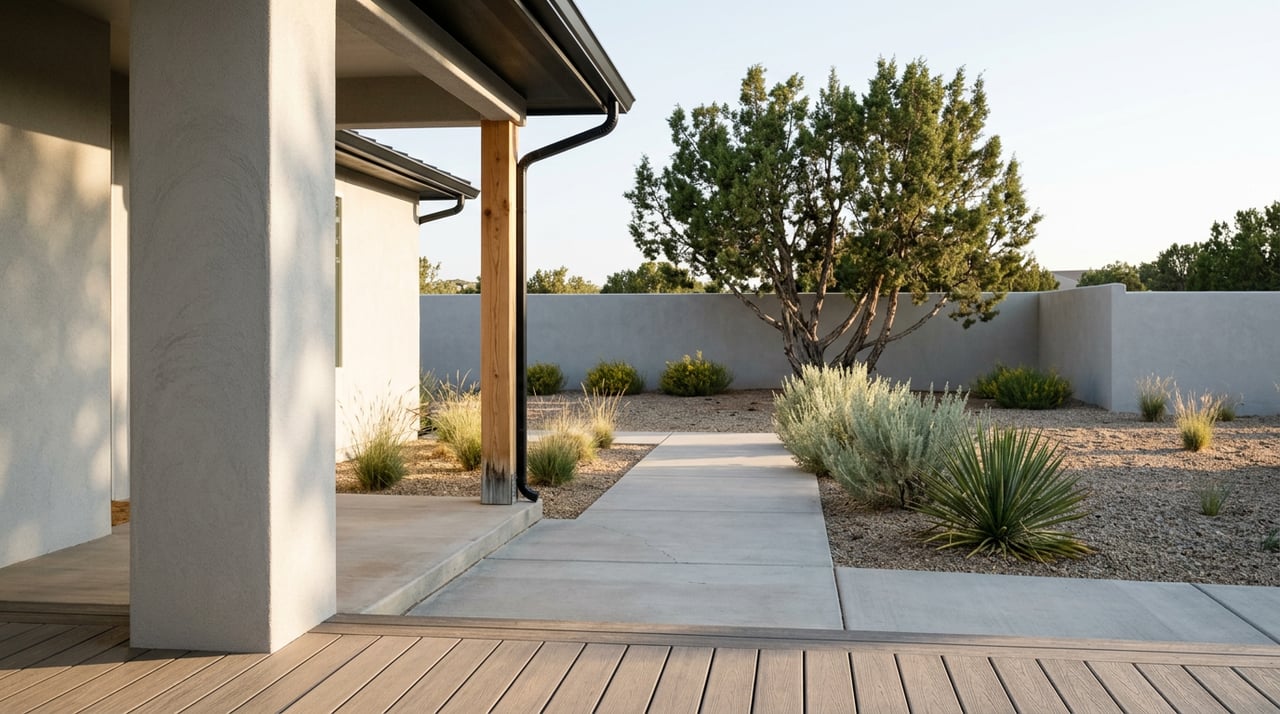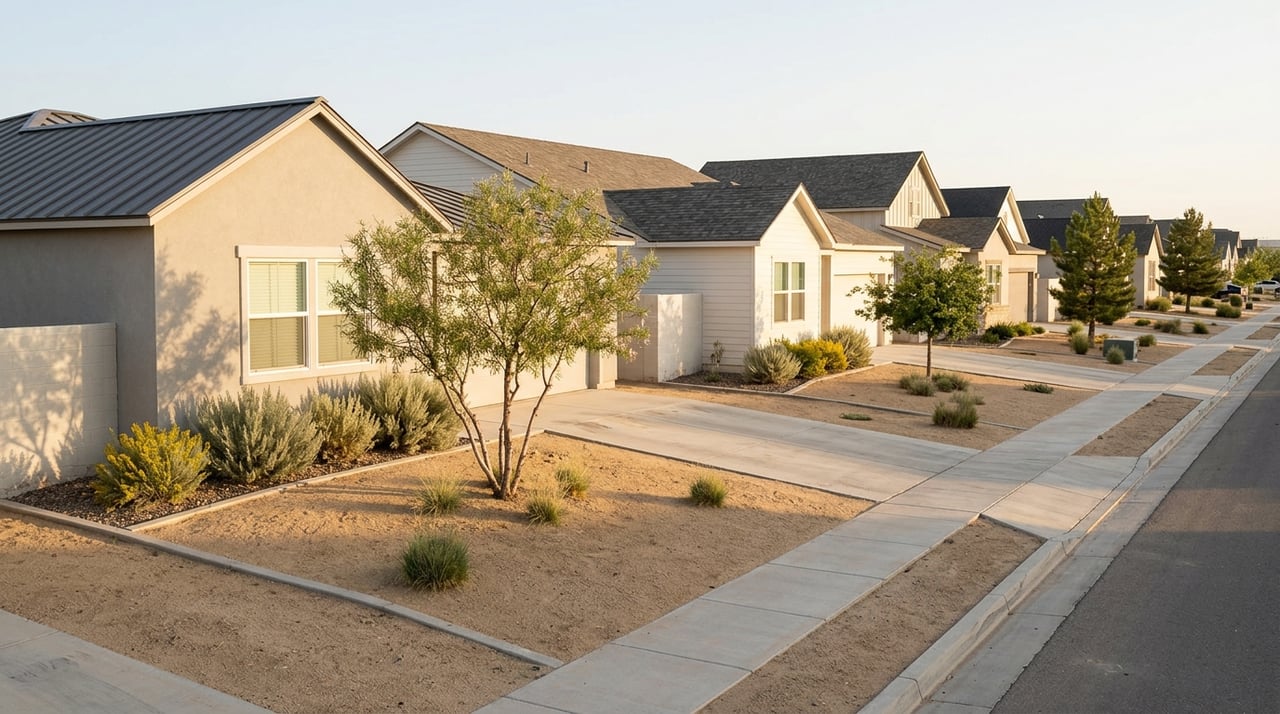
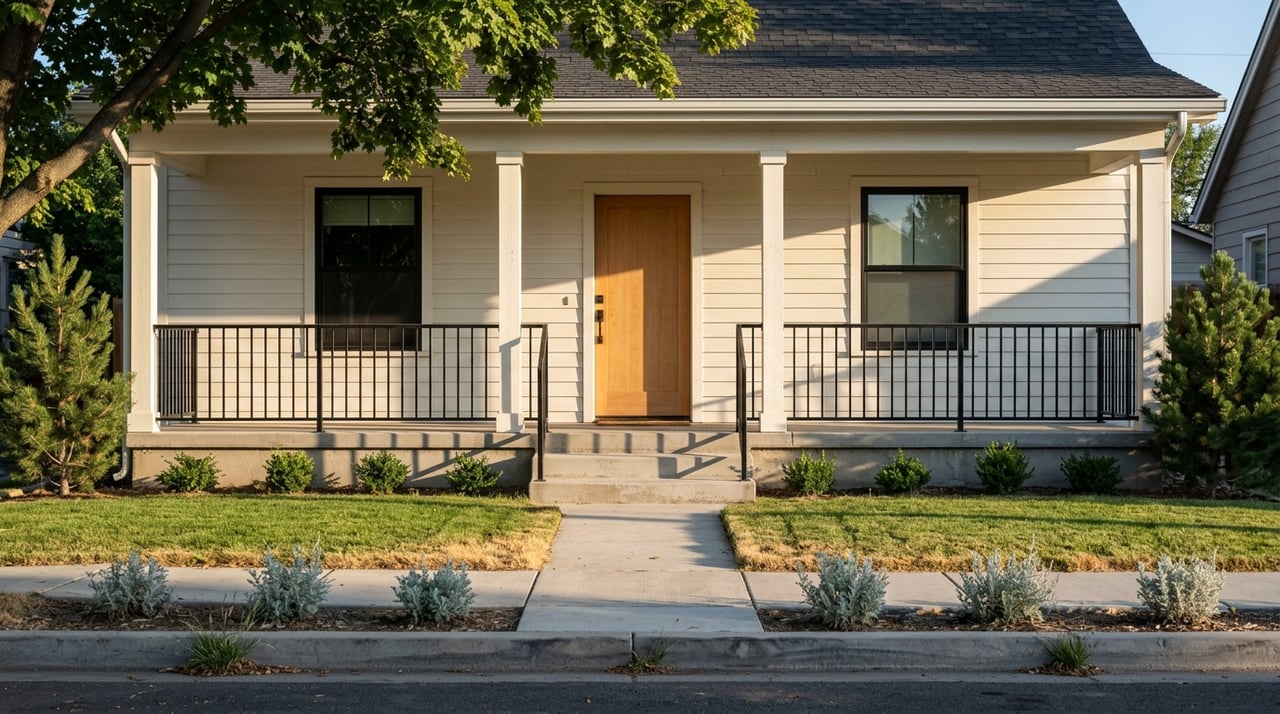
If you are trying to picture what it feels like to live in different parts of Carson City, one thing helps right away: this is not a one-style town. You will find older blocks near the historic core, more pedestrian-oriented downtown corridors, newer planned neighborhoods on the edges, and areas shaped by parks, trails, and open space. This overview will help you understand how Carson City’s neighborhoods tend to feel, what kinds of housing styles you may see, and how to narrow your search based on the setting that fits you best. Let’s dive in.
Carson City Has a Mixed Housing Pattern
Carson City does not follow one single neighborhood formula. City planning materials describe a mix of older core neighborhoods, newer suburban areas, and more rural areas to the north and south. The city also notes that many older neighborhoods include a range of home sizes, home types, prices, and ages.
That broad mix shows up in the housing stock as well. A 2025 draft hazard mitigation plan says Carson City housing is mostly older detached single-family homes, but it is becoming more diverse. City materials also define residential units broadly, including single-family homes, manufactured or mobile homes, and individual units within townhomes or apartments.
If you want a quick citywide snapshot, Census QuickFacts reports an owner-occupied housing rate of 63.2%, a median owner-occupied home value of $426,700, and a median gross rent of $1,172 in Carson City. The city also reports more than 3,000 manufactured homes, which adds another layer to the local housing mix.
Historic Areas Feel Layered and Established
If you are drawn to older streets, mature trees, and homes with visible architectural history, the historic core and west-side areas may stand out to you. Carson City created its Historic District in 1982, and the area remains a major part of the city’s identity. The city’s historic district materials also highlight walking and driving tours, which speaks to the area’s strong sense of place and local heritage.
The west side is especially notable because it is Carson City’s only residential historic district. According to SAH Archipedia, it is characterized by short, straight blocks, mature trees, and a mix of large and modest houses. That combination tends to create a neighborhood feel that is established, layered, and easy to explore block by block.
West-Side Housing Styles Span Many Eras
One of the most interesting things about Carson City’s historic housing stock is how many eras it covers. The city’s historic-district code says the architecture in the district spans about 100 years, from the 1860s to the 1960s. That means you are not looking at one uniform style, but a long timeline of homes built and updated across different periods.
Styles referenced in the code include Greek Revival, Gothic Revival, Italianate, Second Empire, Queen Anne, Stick/Eastlake, period revivals, Bungalow Craftsman, and Art Deco or Modern. The city also notes that many homes are vernacular interpretations rather than strict textbook examples. In practical terms, that means you may see familiar design cues from a style without every classic detail being present.
A few local landmarks show that variety clearly. The Rinckel Mansion is identified by the Nevada State Historic Preservation Office as a High Victorian Italianate residence, while the Foreman-Roberts House is described by the city as a fine example of Gothic Revival architecture. Even if you are not shopping for a landmark property, those examples help explain the architectural depth found in and around older Carson City neighborhoods.
Downtown Feels More Urban and Walkable
Downtown Carson City has a different feel from the quieter residential blocks nearby. The city’s Downtown Mixed-Use Development Standards are designed to allow small-scale infill and redevelopment while preserving historic neighborhood character. That creates a setting where older buildings and updated public spaces work side by side.
Corridor projects on Carson Street and Curry Street added wider sidewalks, landscaping, LED lighting, underground utilities, and pedestrian amenities. As a result, downtown tends to feel more urban and pedestrian-oriented than surrounding residential streets. If your ideal setting includes easier access to civic spaces and a more active street environment, that can shape how certain central areas feel day to day.
Newer Edge Neighborhoods Feel More Planned
On the edges of Carson City, the neighborhood pattern often shifts. City planning documents identify specific growth areas such as Schulz Ranch, Lompa Ranch, and the Eastern Portal and V&T gateway area. Agenda materials also show newer residential phases and subdivisions in places like Lompa Ranch North and Blackstone Ranch, including one phase with 189 single-family lots.
The practical difference is not just age. In many newer areas, growth is reviewed through a specific-plan process that coordinates design, infrastructure, circulation, parks, and community character. Compared with older neighborhoods that evolved over time block by block, these areas often feel more intentionally organized from the start.
For buyers, that can mean a more subdivision-oriented setting with a coordinated layout and newer infrastructure. It also fits with current city housing materials showing that Carson City’s housing stock is becoming more diverse through new-home activity, multifamily construction, and long-established single-family areas.
Open Space Shapes Daily Living
In Carson City, neighborhood feel is not just about houses. Parks, trails, and open space play a major role in how different parts of town function and feel in everyday life. For many buyers, this can be just as important as architecture.
Prison Hill Recreation Area is one of the biggest examples. It covers about 2,500 acres on the southeast side of town, with a northern section for non-motorized use and a southern section that allows motorized use. Access points include 5th Street, Koontz Lane, Clearview Drive, Silver Saddle Ranch, and Carson River Park.
That kind of open-space system can give nearby areas a more trail-oriented or outdoor-focused feel. If you value quick access to recreation, it is worth paying attention to how close a home is to trailheads, park edges, and open-space corridors.
Trails and Parks Add Everyday Convenience
The Carson River Trail system adds another layer to neighborhood character. The city says the trail extends five miles in six segments and connects places such as Empire Ranch Trailhead, Riverview Park, Carson River Park, Silver Saddle Ranch, and Buzzy’s Ranch. It also includes sign panels with local natural and cultural history, which adds a place-based feel to everyday use.
Mills Park is another important anchor. The city describes it as a 51-acre tree-lined park next to the Community Center and Aquatic Center, with grassy fields and walking trails. Areas near major parks and community facilities often feel more connected to day-to-day recreation and civic activity.
Public art also contributes to the atmosphere in central Carson City. The city places murals and sculptures at civic locations including the Community Center, Mills Park, the library, the senior center, and the visitors center. That can make central public spaces feel more active, welcoming, and visually distinct.
Transit and Civic Access Matter Too
For some buyers and renters, neighborhood feel also includes how easy it is to move around without relying on one single route or destination. Carson City’s public transit system, JAC, operates four fixed routes with a downtown transfer plaza. City materials list destinations such as the Brewery Arts Center, the library, the senior center, and the Community Center.
That does not make every area the same, but it does mean some parts of Carson City are more connected to civic destinations and public services. If your routine includes public facilities, events, or transit access, that may help you compare one area to another.
How to Think About Carson City Areas
A simple way to compare Carson City neighborhoods is to focus on a few neutral, practical categories. City and preservation materials support looking at architecture era, block pattern, tree canopy, trail adjacency, and the degree of planned development. Those details often tell you more than a label ever could.
Here is a useful first-look framework:
- Historic and layered: Older homes, mature trees, shorter blocks, and a wide mix of architectural eras
- Urban and walkable: Central corridors with pedestrian improvements, civic destinations, and a more active street feel
- Planned and subdivision-oriented: Newer edge neighborhoods shaped by coordinated development and infrastructure planning
- Open-space adjacent and trail-oriented: Areas influenced by parks, trail systems, and large recreation spaces
This kind of comparison can help you search more clearly. Instead of asking which neighborhood is “best,” it is usually more helpful to ask which setting fits your daily routine, housing preferences, and long-term plans.
What This Means for Your Home Search
If you are shopping in Carson City, it helps to start with the lifestyle feel you want before narrowing down specific properties. Do you want mature trees and older architecture? A more central setting with pedestrian upgrades and civic destinations? A newer subdivision layout? Or quick access to parks, trails, and open space?
Carson City gives you several different versions of home life within one market. That variety is a strength, especially if you want options that range from older detached homes to manufactured housing, townhome-style living, apartments, and newer single-family development.
The key is to match the property to the setting, not just the square footage. When you understand how the city’s historic areas, downtown corridors, planned growth areas, and open-space systems differ, you can search with much more confidence.
If you want practical help comparing Carson City neighborhoods, housing types, or available properties across Northern Nevada, reach out to Kimberlie Buffington. You will get straightforward guidance rooted in local market knowledge and a clear understanding of how different settings may fit your goals.
FAQs
What is the overall housing style in Carson City, Nevada?
- Carson City has a mixed housing pattern that includes older detached single-family homes, manufactured homes, townhome or apartment units, historic properties, and newer subdivision development.
What do historic Carson City neighborhoods feel like?
- Historic Carson City areas, especially on the west side, tend to feel more established and layered, with mature trees, short blocks, and a mix of large and modest houses.
What housing styles appear in Carson City’s historic district?
- The city says the historic district includes architecture from roughly the 1860s to the 1960s, with styles such as Greek Revival, Gothic Revival, Italianate, Queen Anne, Bungalow Craftsman, and Art Deco or Modern.
What do newer Carson City neighborhoods feel like?
- Newer Carson City neighborhoods often feel more planned and subdivision-oriented because growth areas are reviewed through specific plans that coordinate design, infrastructure, circulation, parks, and community character.
How do parks and trails affect Carson City neighborhood feel?
- Parks and trails shape daily life in many parts of Carson City, especially near places like Prison Hill Recreation Area, the Carson River Trail system, and Mills Park, where outdoor access and recreation are a visible part of the setting.
Is downtown Carson City more walkable than other areas?
- Downtown Carson City has a more pedestrian-oriented feel because corridor improvements added wider sidewalks, landscaping, lighting, underground utilities, and other pedestrian amenities.