
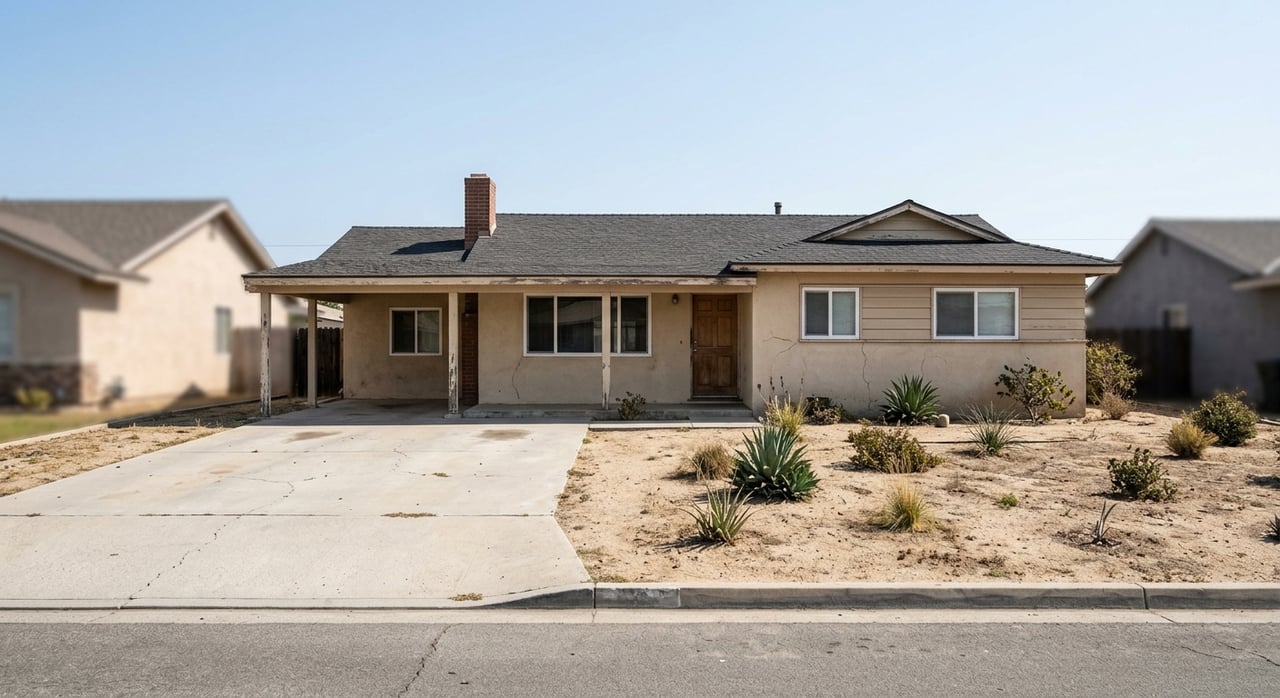
If you own an older Reno home, one question can shape your whole sale: are buyers really paying for the house, or are they paying for the land underneath it? That decision is not always obvious, especially when a property has deferred maintenance, outdated features, or a layout that no longer fits today’s market. The good news is that with the right records and a clear strategy, you can choose the approach that fits your property best. Let’s dive in.
Why the right framing matters
When you sell an older home in Reno, the listing strategy affects pricing, buyer interest, financing, and the odds of a smooth closing. A property marketed as a fixer can attract one type of buyer, while a property marketed more like a lot or teardown may attract another.
That difference matters because appraisers and lenders do not look at every older home the same way. In simple terms, they are often weighing how much value the existing structure still adds compared with the land itself.
How Reno properties are usually evaluated
Fannie Mae guidance says an appraiser analyzes the site as improved. That means the current house is considered part of the property until it becomes financially feasible to remove it and build new or renovate what is there.
Fannie Mae also says the use should be legal, physically possible, financially feasible, and produce the highest present value. For you as a seller, that means the market story should match the property’s real condition, legal status, and likely use.
If the home is older and no longer fits the surrounding area well, appraisers may also reflect any negative effect from that mismatch. They are also instructed to consider nearby properties, roads, utilities, and year-round use.
When to market your Reno home as a fixer
A fixer strategy usually works best when the home is still safe, habitable, and financeable enough for a regular buyer or a renovation-minded buyer. In that case, the house still has meaningful contributory value, even if it needs updates.
This approach can widen your buyer pool. You may appeal to buyers who want to move in and improve the property over time, along with buyers using renovation financing.
HUD’s FHA appraisal guidance focuses closely on condition. If the appraiser finds issues that affect livability, soundness, or structural integrity, the appraisal can be conditioned on repairs or added inspections.
That does not automatically kill a deal, but it can change which buyers are realistic. Some buyers may be fine with repairs, while others may need a more specialized loan option.
Signs a fixer strategy may fit
- The home is still habitable
- Major systems are functioning, even if dated
- The layout still works for today’s buyers
- Repair costs are meaningful but not overwhelming compared with resale value
- You want to reach both owner-occupants and buyers looking for a project
Renovation financing may matter
HUD says its 203(k) program allows buyers to combine the purchase and renovation costs into one FHA-insured loan through approved lenders. For older homes that need substantial work, this can help keep more buyers in the game.
If your property is likely to need repairs, that possibility can be part of your sale strategy. It does not mean every buyer will use it, but it may help explain why a fixer is still marketable when the condition is rough around the edges.
When to market your Reno home as a lot
Sometimes the house is no longer the main value. If the structure is badly worn, functionally obsolete, or heavily damaged, the land may be the real product.
This often comes up when lot size, access, zoning, or future redevelopment potential matter more than the current building. In that case, calling the property a lot or teardown may better match how builders and redevelopment-minded buyers will view it.
There is a tradeoff, though. Fannie Mae does not purchase or securitize mortgages on vacant land or land-development properties, so once a property starts to behave more like land than a home, conventional financing can get harder.
That usually means a smaller buyer pool. You may be leaning more toward builders, cash buyers, or buyers with nonstandard financing.
Signs a lot-sale strategy may fit
- The house has severe deferred maintenance or damage
- The cost to repair is very high compared with the home’s likely finished value
- Buyers are more likely to remove the structure than improve it
- The lot characteristics are a stronger selling point than the house itself
- The existing home adds little compared with the land value
The middle ground: home with redevelopment potential
Not every property fits neatly into one box. In some parts of Reno, the most practical approach is to market the home as an older property with redevelopment potential.
This hybrid strategy can make sense when the structure still has some value, but the site also offers future upside. It lets you reach traditional buyers, investors, and some builders without forcing the listing into a story that is too narrow.
This is often a smart move when the records, permits, and comparable sales do not clearly point to a pure fixer or pure lot sale. It gives you room to market honestly while still highlighting the site’s possibilities.
Reno permit history can change everything
Before you choose a listing strategy, it is worth reviewing permit history carefully. The City of Reno handles permits electronically through the ONE Regional Licensing and Permitting portal, and demolition permits are tracked as their own category.
That matters because unpermitted work can complicate both a fixer sale and a teardown plan. Additions, roof work, electrical work, or major DIY updates may need to be documented or addressed before closing, or before a buyer starts new work.
Reno also warns that work done without the required permit can trigger compliance fees. Depending on the project, valuation-based permits may also involve planning, engineering, sewer, health, fire, and impact fees.
Permit issues buyers may care about
- Additions or conversions without permits
- Roof replacements with unclear records
- Electrical or plumbing work done without approval
- Garage or storage changes that altered use
- Prior demolition-related paperwork or site work
What Washoe County records can tell you
Washoe County separates taxable value into land and improvements. The assessor also says parcels are reappraised each year and notes that parcel data may not fully represent improvements.
That is useful because it reminds you not to rely on one number alone. A value notice can help frame the conversation, but it should be compared with the actual condition of the house, the lot characteristics, and the local market.
The assessor also notes that zoning should be verified with the appropriate planning agency. If your sale strategy depends on redevelopment potential, that step matters.
The three comparisons that help you decide
For many older Reno homes, the best decision comes down to three practical comparisons.
1. Cost to cure the house
What would it realistically take to make the home more marketable? Think in terms of roof, systems, structural items, safety concerns, and visible deferred maintenance.
2. Value added by the structure
Does the existing home still add enough value to justify selling it as a house? Or is the building pulling value down because of condition, design, or repair burden?
3. Likely land value without the house
If the structure were removed, would the site be more attractive to a different buyer pool? This is where lot size, access, utility setup, and planning considerations become important.
When you compare those three items side by side, the right path usually becomes clearer.
What to gather before listing
If you want to make a smart decision and avoid surprises, gather as much property documentation as you can before going on the market.
Key documents and details
- Current Washoe County assessor record or value notice
- Permit history for additions, remodels, roofing, and major system work
- Utility details such as city water, sewer, well, or septic
- Survey information, easements, and access notes
- Zoning or planning details that may affect future use
- Inspection reports, contractor estimates, and repair receipts
- A written list of known defects or issues
Having these details early helps you price more accurately and market the property with fewer gaps. It also helps buyers understand what they are really evaluating.
Nevada disclosure rules are a big part of the sale
Nevada law requires sellers to complete the disclosure form at least 10 days before conveyance. The form covers known issues with the property, including items like the foundation, plumbing and sewer system, roof and exterior walls, electrical, heating, cooling, and water source or septic system.
The seller completes that form, not the agent. If you discover a new defect before closing, it must also be disclosed in writing.
For an older home, this makes transparency especially important. Whether you sell as a fixer, a lot, or a hybrid opportunity, the condition conversation is part of the process.
Choosing the best path for your Reno sale
If your home is still livable and repairable, marketing it as a fixer may bring the broadest audience. If the structure adds very little and the land is the real draw, a lot-sale strategy may better match the market.
If the answer is somewhere in between, a redevelopment hybrid may be the smartest route. The key is to match the listing story to the property’s actual condition, permit history, and likely financing options.
That kind of practical planning can save time, reduce failed escrows, and help you attract the right buyers from the start. If you want help sorting through land value, permit questions, or how to position an older Reno property, Kimberlie Buffington can help you build a strategy that fits the facts.
FAQs
How do you decide whether a Reno home should be sold as a fixer or a lot?
- Start by comparing the cost to repair the home, the value the current structure still adds, and the likely land value if the home were removed.
What Reno property records should you review before listing an older home?
- Review the Washoe County assessor record or value notice, permit history, utility details, survey or easement information, zoning notes, and any inspection reports or repair estimates.
Can unpermitted work affect the sale of an older Reno home?
- Yes. Unpermitted additions, roof work, electrical work, or other major updates can complicate financing, negotiations, and future building plans.
What disclosures are required when selling an older home in Nevada?
- Nevada requires the seller to complete a disclosure form covering known property issues, and new defects discovered before closing must also be disclosed in writing.
Can buyers finance repairs when purchasing a fixer in Reno?
- In some cases, yes. HUD says the FHA 203(k) program can combine purchase and renovation costs into one FHA-insured loan through approved lenders.
Why does permit history matter for a Reno teardown or rebuild plan?
- Permit history can affect demolition planning, compliance issues, future approvals, and the fees a buyer may face for demolition, grading, sewer, engineering, planning, or impact-related items.