Wondering if buying a manufactured home in Sparks is as simple as picking a floor plan and signing a contract? In many cases, the biggest early decisions come before you choose the home itself. If you want to avoid expensive surprises, you need to understand where the home will go, what the site allows, and what paperwork must be in place. Let’s dive in.
Start With the Land Setup
When you buy a manufactured home in Sparks, one of your first decisions is whether you want a land-lease setup or a land-owning setup. That choice affects your monthly costs, your paperwork, and even whether the home can be installed where you want it.
A manufactured home in Nevada is a HUD-code home built after June 15, 1976. In Sparks, local rules make the site decision especially important because a manufactured home cannot simply be placed on any vacant lot for living purposes.
Buying in a land-lease community
In a manufactured home park, you usually own the home and lease the lot. Nevada law requires a written rental agreement, and that agreement should cover rent, lease term, late charges, utilities, deposits, maintenance duties, and other key terms.
Park rules also matter. They can address occupancy, pets, and other use limits, and some rule changes require notice or written consent. Nevada law also allows a park landlord to require written consent before a home is moved into the park.
If you are considering this route, ask for these items early:
- The written lease or rental agreement
- Current park rules
- A list of lot rent and utility charges
- Deposit terms
- Maintenance responsibilities
- Any occupancy or pet restrictions
Buying on owned land
If you want the home on land you own, you need to verify the parcel before the purchase is final. A vacant lot is not automatically ready for a manufactured home just because it is available.
Sparks regulates manufactured home parks and manufactured home subdivisions as specific uses. The city code also says using a manufactured home for dwelling or sleeping outside a park or subdivision is unlawful except for narrow exceptions.
That means your early due diligence should focus on whether the parcel’s zoning, approvals, and site conditions support your plan. In manufactured home subdivisions, Sparks code also requires compliance with city ordinances and health-department rules, including underground utilities.
Check Whether the Site Works
Even if the location is legally allowed, the site still has to physically support the home. Installation is not a side issue. It is a core part of the purchase.
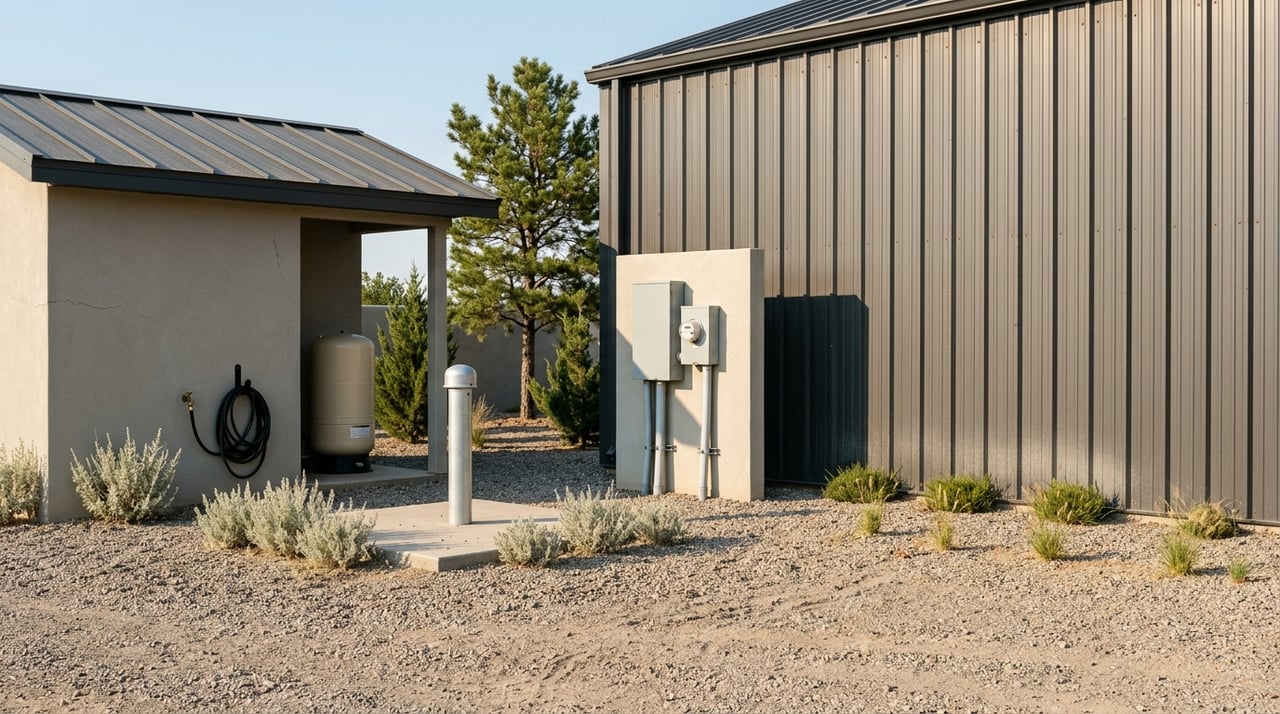
HUD and the Nevada Housing Division say buyers should account for zoning, septic, electrical and building permits, site access, site preparation, soil conditions, foundation and anchoring, utility hookups, perimeter enclosure requirements, and under-home moisture ventilation.
Access, drainage, and utilities
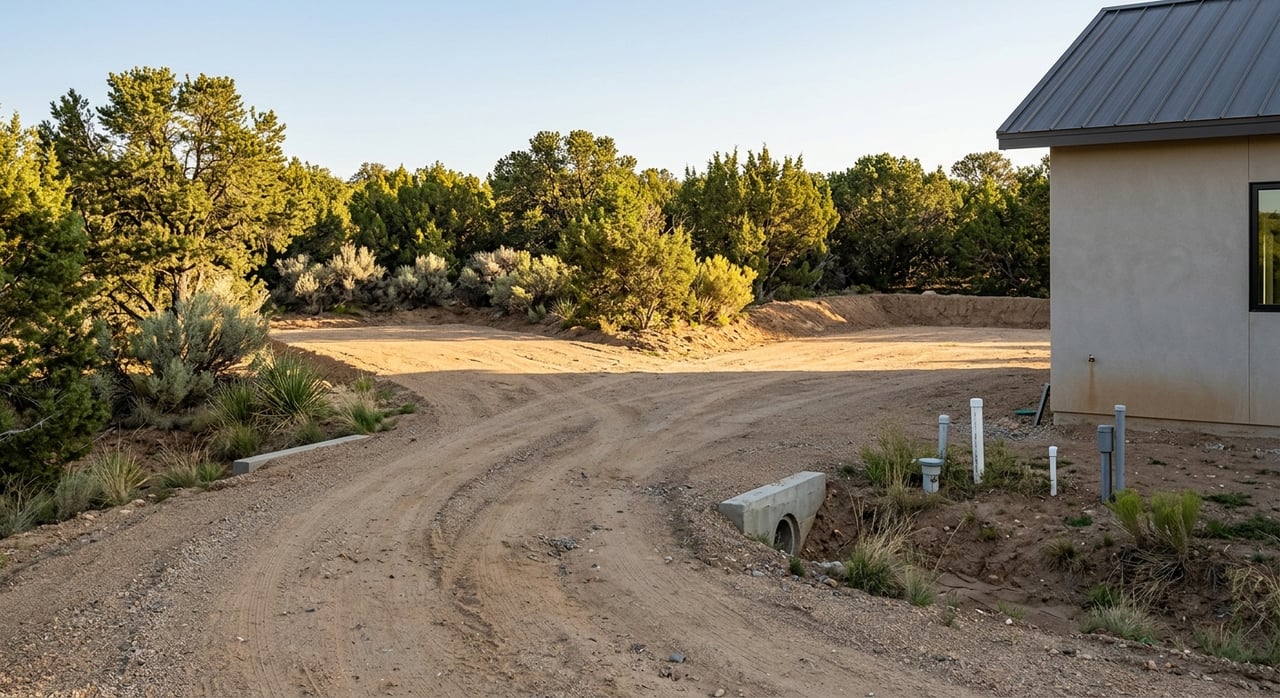
A good site needs more than open space. The transporter must be able to reach it, and water should drain away from the foundation.
You should also confirm whether the lot has the utility connections and physical access needed for delivery and setup. If the site needs extra preparation, that can change your budget quickly.
Match the home to the lot
The home itself has to fit the site conditions. HUD says the data plate identifies the wind zone, snow load, and roof-load zone the home was built for.
You should make sure the home is not being placed in a more restrictive zone than it was designed to handle. This is especially important when buying a used manufactured home that may be moved from another location.
Flood-zone questions matter
If the lot is in a mapped flood zone, you need another layer of review. Sparks code says certain manufactured homes placed or substantially improved in flood zones A, AH, and AE must be elevated on a permanent foundation and securely anchored.
That can affect both installation planning and cost. It is a good reason to confirm flood-zone status before you get too far into the deal.
Understand Permits Before Closing
Permits should never be treated as a last-minute item. In Nevada, a permit is required before a manufactured home is installed, reconstructed, or altered on a job site.
If the home will be moved on Nevada roads, a county-assessor trip permit is also required before the move. Setup inspections are handled by state manufactured-housing inspectors, and in some areas the state uses local building departments or independent inspectors.
Ask for permit history on a used home
When you buy a used manufactured home, missing paperwork can slow everything down. The Nevada Housing Division says that if installation documentation is missing, an installation permit may need to be obtained from the department or the county.
That is why permit history should be part of your early review, not something you check the week before closing.
Treat Title and Tax Status Seriously
A manufactured home purchase involves more than a purchase contract. In Nevada, the Nevada Housing Division handles title transfers, certificates of ownership, liens, and ownership records for manufactured homes.
Before closing, you should verify title, any lien releases, and installation paperwork. These are basic items, but they can have a big impact on your timeline and your ability to move forward cleanly.
Personal property or real property
If the home will be permanently attached to owned land, Nevada has a formal process to convert it from personal property to real property. Washoe County says that conversion is not valid until the Nevada Housing Division issues a Real Property Notice.
Washoe County also notes that taxes must be paid for the full fiscal year before conversion. The county further states that the lender determines foundation requirements, so the foundation plan should be coordinated early with the lender and the building department.
Why tax treatment affects your budget
Tax treatment can differ depending on whether the home is on leased land or owned land. Washoe County’s treasurer bills mobile and manufactured-home taxes annually, while the assessor handles taxable value.
For you, the practical takeaway is simple: total monthly ownership cost is not just a mortgage payment or lot rent. It may also include taxes, utilities, site upkeep, and other ongoing costs tied to the home’s setup.
Plan for Maintenance From Day One
Manufactured homes can be a practical path to homeownership, but they are not maintenance-free. HUD says new manufactured homes come with manuals that cover operation, maintenance, repairs, installation, anchoring, and utility connections.
Manufacturers also commonly provide warranties on the structure and factory-installed systems. However, HUD notes that warranty coverage generally does not include normal wear and tear, consumer abuse, installation problems, or neglected maintenance.
Focus on the basics early
Good maintenance starts with the setup. HUD highlights water management, perimeter enclosure or skirting, under-home ventilation and moisture control, anchoring-system upkeep, and utility connection maintenance as recurring priorities.
HUD also notes that many manufacturers require some form of perimeter enclosure and or ground vapor retarder. Proper enclosure with ventilation can also help with energy performance and weather protection.
Key Questions to Ask Before You Buy
If you want a smoother transaction, come prepared with the right questions. These can help you spot issues early and compare options more clearly.
If you are buying in a park
Ask for:
- The written lease
- Park rules
- Lot rent details
- Utility charge details
- Deposit terms
- Maintenance responsibilities
- Pet and occupancy restrictions
- Whether written consent is needed to move the home into the park
If you are buying on owned land
Ask for:
- Title and ownership documents
- Lien releases
- Installation paperwork
- The HUD data plate and home manual
- Permit history
- Flood-zone status
- Whether conversion to real property is planned
Why Early Decisions Matter in Sparks
In Sparks, manufactured home purchases are often won or lost in the early planning stage. The big questions are not only about price, size, or layout. They are about land structure, zoning, permits, title, installation, and long-term costs.
If you get those pieces right upfront, you put yourself in a much better position to buy with confidence. If you skip them, even an affordable-looking deal can become more complicated than expected.
If you are sorting through park options, owned land, or installation questions in Sparks, working with a local brokerage that understands manufactured homes and Northern Nevada property logistics can save you time and stress. Reach out to Kimberlie Buffington for practical guidance on your next move.
FAQs
Can I put a manufactured home on any lot in Sparks?
- No. Sparks zoning and permit rules control where a manufactured home can be placed, and living in a manufactured home outside a park or subdivision is restricted except for narrow exceptions.
What should I review when buying a manufactured home in a Sparks park?
- Ask for the written lease, current park rules, lot rent and utility charges, deposit terms, maintenance responsibilities, and any occupancy or pet restrictions.
What documents matter when buying a manufactured home on owned land in Sparks?
- You should review title and ownership documents, lien releases, installation paperwork, the HUD data plate and manual, permit history, flood-zone status, and any plans for real-property conversion.
Does Nevada require a permit to install a manufactured home?
- Yes. Nevada requires a permit before a manufactured home is installed, reconstructed, or altered on a job site.
What is the Nevada real-property conversion process for a manufactured home?
- If the home is permanently attached to owned land, Nevada has a formal process to convert it from personal property to real property, and Washoe County says the conversion is not valid until the Nevada Housing Division issues a Real Property Notice.
What maintenance items should manufactured home buyers in Sparks plan for?
- Plan for water management, skirting or perimeter enclosure, under-home ventilation and moisture control, anchoring upkeep, and regular utility connection maintenance.