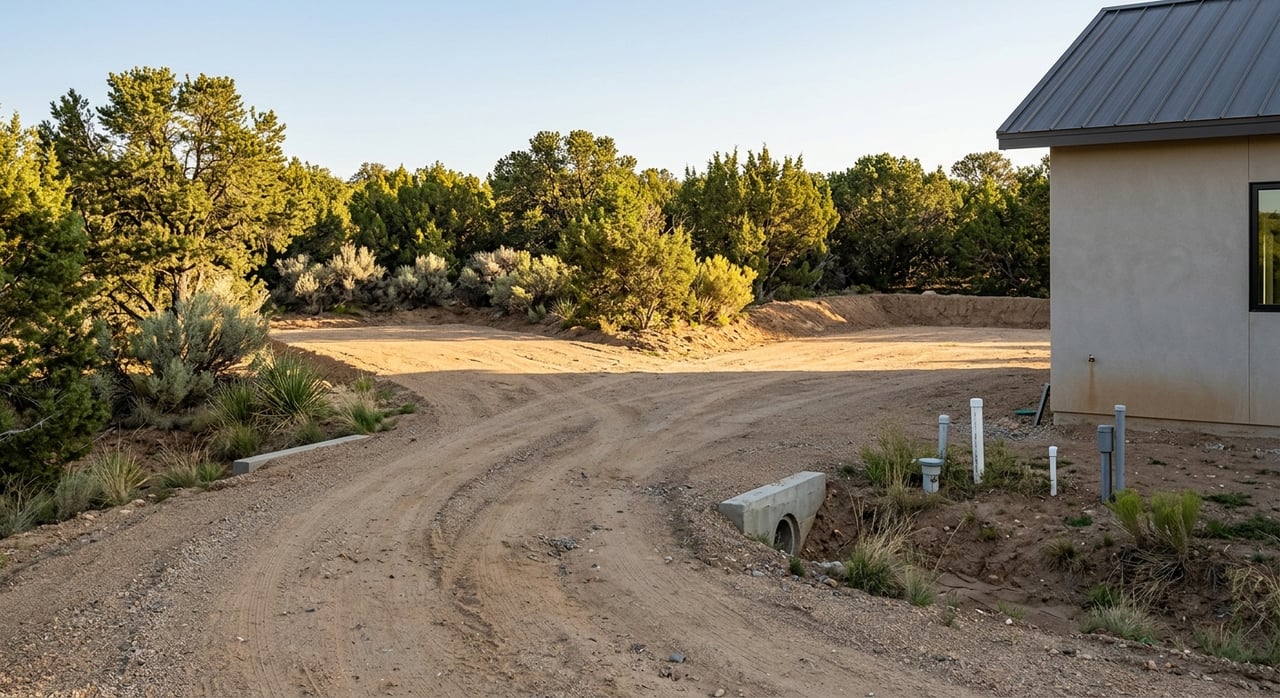
If you own acreage near Battle Mountain, it is easy to wonder whether splitting it up will bring a better sale price. That question matters even more in a small rural market, where access, utilities, and buyer demand can affect value just as much as the number of acres you own. In this guide, you will learn when subdividing may help, when it may not, and what Lander County will likely want to see before you make a move. Let’s dive in.
Why This Question Matters in Battle Mountain
Battle Mountain and Lander County operate on a very different scale than larger Nevada markets. The 2020 Census counted 3,705 people in the Battle Mountain CDP, and Lander County had 5,734 residents spread across more than 5,500 square miles of land.
That small scale shapes how land sells. Current portal data points to a niche market, with roughly mid-40s land listings in Battle Mountain, depending on the portal. In a market like this, subdivision is not just about creating more lots. It is about creating parcels that buyers can actually understand, access, and use.
When Subdividing May Make Sense
Subdivisiding is usually worth exploring when it turns one large tract into smaller parcels that are easier to market. In Battle Mountain, that often means each new parcel has a clear access story and a realistic path to water, wastewater, and electricity.
For example, a split may help if your acreage is larger than what most local buyers want, but the land could become two or more practical parcels. Smaller lots can sometimes appeal to more buyers if each one feels usable and serviceable rather than leftover or hard to develop.
It can also make sense when your current parcel is awkward in shape. If a split creates cleaner lot lines, better road frontage, or simpler utility planning, you may end up with parcels that are easier to explain and easier for buyers to evaluate.
Signs a Split Could Add Value
- Each proposed parcel has practical legal and physical access
- Water and wastewater service look realistic for each lot
- The zoning and master plan support the number of lots you want
- The lots would be sized and shaped in a way local buyers can use
- The likely price premium could outweigh added time, fees, and engineering costs
When Selling the Acreage Whole May Be Better
Subdividing is not automatically the better business move. If the split creates expensive road work, uncertain utility extensions, or isolated lots with weak buyer appeal, the extra work may not pay off.
That is especially important in a thin market like Battle Mountain. With a limited buyer pool, creating more parcels does not guarantee faster sales or higher total proceeds. Sometimes one larger parcel is simpler to market and just as profitable.
You should be especially cautious if the split depends on major off-site improvements or unresolved easements. If access or utility questions remain unclear, buyers may see the new lots as speculative rather than practical.
Understand the Nevada Lot Count Rules
One of the first questions is simple: how many parcels are you creating?
In Nevada, dividing land into five or more lots, parcels, sites, units, or plots is generally treated as a subdivision. Dividing land into four lots or fewer is typically handled through the parcel-map process, subject to exemptions.
That distinction matters because many owners casually say they want to subdivide, even when the county may treat the split under a different process. Before you decide on a strategy, it helps to know whether you are looking at a parcel map or a full subdivision path.
What Lander County Will Review
Lander County's tentative map application shows just how practical this process is. The county wants detailed information about the property and your plan, not just a basic idea of splitting land.
The application asks for items such as:
- Assessor parcel numbers
- Current master plan land-use designation
- Zoning
- Deed restrictions
- Total acreage
- Number of lots proposed
- Average lot size
- Utility plan
The county also requires written responses about several real-world issues. These include water availability, utility access, public services, zoning and master plan conformity, street impacts, floodplain concerns, slope and soil conditions, fire protection, and tax and disclosure compliance.
Supporting Materials You May Need
Based on the tentative map checklist and rural review materials, owners may need supporting documents such as:
- A site plan
- A preliminary utility plan
- A grading plan
- A sewer report
- A hydrology report
- Engineer-stamped plan sets
- Topography and floodplain mapping
- A short environmental-history description
- Intent-to-serve or will-serve letters where applicable
This is one reason subdivision should be viewed as a project, not a quick pre-listing tweak.
Access Is Often the Deciding Factor
For rural land in Lander County, access can make or break a proposed split. County materials state that the governing body may require road grading, drainage, off-site access, street alignment, surfacing, width, water, and sewerage provisions.
The materials also say that a 60-foot road easement or right-of-way may be required from the nearest approved county road. Street access to lots may also need to be at least 60 feet wide and improved to rural road standards.
That means a parcel that looks divisible on paper may be much harder to split in practice. If each lot cannot be reached without creating a road problem or adding significant cost, the economics of subdivision can change quickly.
Utilities Need a Realistic Plan
Battle Mountain does have county utility infrastructure, including county water and sewer enterprise funds. Still, parcel-specific service is not assumed. Lander County's application asks owners to explain exactly how electricity, water, and sewage will be furnished.
This is a key point for sellers. A buyer may like the idea of a smaller lot, but that lot also needs a believable utility story. If utility service is uncertain, the lot may be harder to sell, even if the survey and map work are complete.
When you evaluate a possible split, ask whether each lot has a realistic path to water and wastewater service or a plan that fits county review. If the answer is vague, your subdivision idea may need more work before it adds value.
Timeline and Fees to Expect
Subdivision takes time. Under Nevada law, in counties with fewer than 700,000 residents, the governing body must approve, conditionally approve, or disapprove a tentative map within 60 days after receiving recommendations. A final map normally must be presented within four years of tentative approval.
For most sellers, that means this is not a fast adjustment before going on the market. It is a hold-period decision that may delay your sale while you work through review, conditions, engineering, and final approvals.
There are also direct review fees. NDEP lists rural-county tentative and final map review fees at $400 plus $3 per lot. Lander County's tentative map application shows a non-refundable $500 fee for the first 25 lots plus $10 for each additional lot.
Those are only part of the equation. Engineering, mapping, studies, and possible improvement work can add up, so the real question is whether the likely resale gain will justify the total project cost.
A Simple Way to Think About the Decision
If subdivision creates clear, serviceable, marketable lots, it may help you sell for more. If it creates extra paperwork, uncertain utility questions, or access problems, it may not.
In Battle Mountain, this is less about chasing a big-city development model and more about matching the land to actual local demand. Because the land market is modest rather than deep, each proposed lot should have a defensible buyer use case.
A practical review usually starts with five questions:
- How many lots are you trying to create?
- Will the county treat it as a parcel map or subdivision?
- Can each lot be accessed without major new road issues?
- Is there a realistic utility and wastewater path for each lot?
- Will the market likely pay enough to cover the added time and cost?
If you cannot answer those clearly, selling the acreage as one parcel may be the stronger move.
How to Decide Before You List
Before you invest in surveys, engineering, or formal applications, it helps to step back and look at the property through a buyer's eyes. In a small rural market, buyers tend to value usable details over theoretical upside.
Ask yourself whether the split would reduce friction or create more of it. Cleaner access, understandable utility planning, and a straightforward lot layout can improve marketability. Complicated road requirements, uncertain service, and long approval timing can do the opposite.
This is where local land experience matters. A practical review of access, utility feasibility, lot count, and market fit can help you avoid spending money on a split that does not improve your position.
If you are weighing whether to subdivide before selling, talk through the property with a local brokerage that understands rural land mechanics in Northern Nevada. Kimberlie Buffington can help you look at the access, utility, and market factors that matter in Battle Mountain so you can choose the path that makes the most sense.
FAQs
Should you subdivide acreage before selling in Battle Mountain?
- It depends on whether the split creates parcels with clear access, realistic utility service, and enough market appeal to justify the added time and cost.
How many lots count as a subdivision in Nevada?
- In general, dividing land into five or more lots is treated as a subdivision, while four lots or fewer are typically handled through the parcel-map process, subject to exemptions.
What does Lander County review for a land split?
- Lander County reviews practical items such as zoning, master plan conformity, access, utilities, water availability, sewage plans, street impacts, floodplain issues, slope, soil, fire protection, and supporting plans or reports.
Why is access so important for subdividing Battle Mountain land?
- Access matters because county review may require road easements, frontage width, grading, drainage, and improvements to rural road standards for the new lots.
Do utilities automatically make subdivision easier in Battle Mountain?
- No. Even though Battle Mountain has county water and sewer infrastructure, owners still need to show how electricity, water, and sewage will be furnished for the specific parcels.
How long can the subdivision process take in Lander County?
- It is not usually a quick pre-sale step. Nevada law sets timelines for tentative map action after recommendations are received, and a final map normally must be presented within four years of tentative approval.
What fees should you expect when subdividing land in rural Nevada?
- NDEP lists rural-county tentative and final map review fees at $400 plus $3 per lot, and Lander County's tentative map application shows a non-refundable $500 fee for the first 25 lots plus $10 for each additional lot.