Thinking about selling a manufactured home in Sparks, but not sure where to start? You are not alone. Manufactured homes have unique paperwork, foundation rules and MLS details that can affect price, buyer financing and closing time. In this guide, you will learn exactly what to gather, how to present your home and which steps help you sell with fewer surprises. Let’s dive in.
Know how manufactured sales differ
Selling a manufactured home is not the same as selling a site-built house. In Sparks, buyers, appraisers and lenders look for a specific set of documents and details.
HUD code and build date
Homes built on or after June 15, 1976 follow the federal HUD Code and have HUD certification labels and a matching interior data plate. Lenders and appraisers often ask for those numbers. If tags or the data plate are missing, you can request a label-verification letter through HUD’s contractor, as explained in the HUD guide on manufactured home labels. You can learn where labels and the data plate are usually located in the official HUD overview of manufactured home labels and data plates: HUD manufactured home labels and data plates.
Personal property vs. real property in Nevada
In Nevada, a manufactured home can be sold as personal property with a vehicle-style title, or it can be converted and recorded as real property so it conveys with the land. Conversion and how it is documented affect your taxes and the buyer’s financing options. See Nevada’s classification and conversion statute for the big picture: NRS 361.244 on real property classification.
Why this matters to buyers and lenders
Mortgage programs often require that the home be on a permanent foundation and be treated as real property before they will underwrite a traditional loan. If the home remains personal property, buyers may need chattel or specialty financing. See Fannie Mae’s guidance on factory-built housing for eligibility context: Fannie Mae factory-built housing overview.
Gather your paperwork early
Having clean, complete documents upfront reduces friction with buyers, appraisers and lenders.
- HUD labels and data plate. Locate, photograph and note the HUD label numbers and the interior data plate details. If missing, HUD’s resource explains how to obtain a label-verification letter: HUD manufactured home labels and data plates.
- Title or MCO. If your home has a vehicle-style title, collect a clear copy and any lien releases. The Nevada Housing Division provides titling and ownership forms: Nevada Housing titling and ownership forms.
- Affidavit of Conversion. If your home has been converted to real property, pull the recorded Affidavit of Conversion and supporting forms. If you plan to convert before listing, review the state form and process: Nevada Affidavit of Conversion (Form T10).
- County assessor and recorder records. Confirm the conversion is recorded and the assessor shows the home on the real-property roll with the correct APN and tax account. Washoe County outlines the local process: Washoe County conversion guidance.
- Park or lot paperwork. If the home sits in a manufactured home park, gather the current lot lease, rent terms and any park rules or approval requirements. Nevada statutes govern park rules and owner/tenant rights: Nevada manufactured home park statutes.
- Seller disclosures. Complete Nevada’s Seller’s Real Property Disclosure and include federal lead-based paint disclosures for homes built before 1978. Early, accurate disclosure reduces surprises: Nevada seller disclosure overview.
Foundation, permits and inspections
Your foundation and local permits drive financing options and appraisal outcomes.
Washoe permits and finals
Sparks-area listings should be ready to show the original installation or placement permit and the final inspection sign-off. Washoe County’s building department outlines the process for mobile and manufactured homes: Washoe County mobile/manufactured permits.
Permanent foundation certification
Most conventional, FHA and VA loans expect the home to be permanently affixed to an acceptable foundation and supported by a foundation certification from a licensed engineer or registered architect. HUD’s Permanent Foundations Guide explains the standard many programs reference: HUD Permanent Foundations Guide. Fannie Mae also details manufactured-home eligibility and documentation: Fannie Mae factory-built housing overview.
Pre-listing inspection benefits
A manufactured-home inspection by an inspector trained for factory-built housing can spotlight issues early and speed negotiations. InterNACHI offers guidance on what these inspections cover, including undercarriage, tie-downs, skirting and system checks: InterNACHI manufactured home inspection resource.
Appraisal basics and red flags
Appraisers experienced with manufactured homes will reference the HUD label numbers, confirm evidence of a permanent foundation and use comparable manufactured-home sales. Common issues that slow closings include missing HUD/data-plate documentation, unpermitted or uncertified foundation work, unresolved liens, short park lease terms and major undercarriage damage. Fannie Mae’s guide summarizes property eligibility and appraisal considerations: Fannie Mae factory-built housing overview.
Price and position for Sparks
Pricing and positioning your Sparks manufactured home starts with accurate comps and clear status.
Use the right comps
Manufactured homes follow a different value pattern than site-built houses. If your home has been converted to real property and sits on land with a permanent foundation, pricing may align more closely with site-built values in your area. Appraisers will still use manufactured-home comps. Lean on regional MLS data for manufactured homes to set expectations: NNRMLS market overview.
Land included vs. leased pad
Be clear about whether the sale includes land or a leased pad in a park. If it is a park sale, share lease terms with your agent so they can inform cooperating brokers. Short remaining lease terms can affect buyer options and timing.
Photos and documents that build confidence
Show what buyers and lenders need to see:
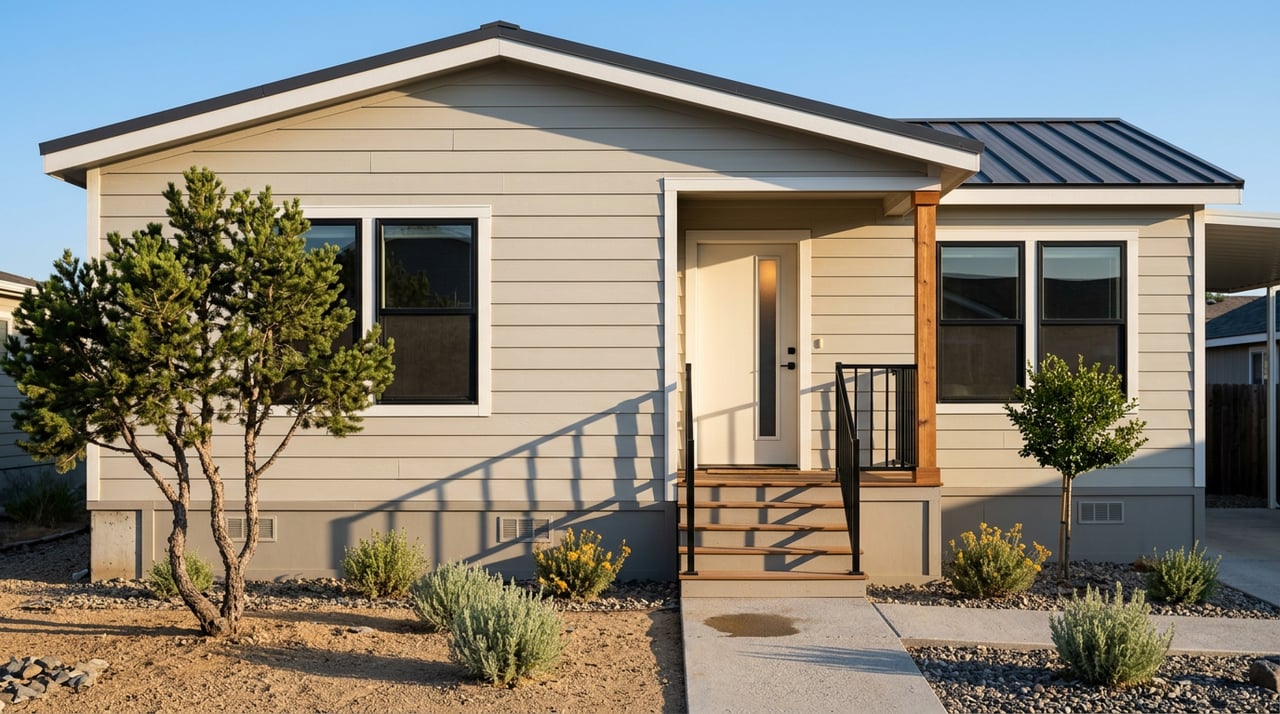
- Exterior photos that include the lot, skirting, steps and the location of the HUD tags.
- Interior photos of condition and systems like HVAC, water heater and electrical panel.
- Associated documents such as title or recorded conversion, installation permits and finals, foundation certification, inspection report and the Nevada SRPD.
Providing the allowed documents up front often reduces contingency delays. Nevada’s disclosure overview is a helpful reference: Nevada seller disclosure overview.
MLS listing accuracy matters
How you classify and describe your listing on the MLS controls how buyers and lenders find it.
Choose the correct property type
Use the regional MLS property type for manufactured or mobile homes. If land is included, choose the option that reflects “manufactured home with land.” Refer to the Northern Nevada Regional MLS for property-type structure and market context: NNRMLS overview.
What to say in remarks
- State clearly whether land is included or the home is on a leased pad, and be ready to share lease details in broker-only remarks if required.
- Indicate that HUD labels and the interior data plate are present, or note that you have a verification letter if labels are missing. Review HUD’s guidance for clarity: HUD manufactured home labels and data plates.
- Note foundation type and whether you have a current foundation certification.
- If converted to real property, mention the recorded Affidavit of Conversion and have a copy ready for cooperating brokers: Nevada Affidavit of Conversion (Form T10).
Attach the right associated documents
Attach, where MLS rules allow, copies of the title or recorded conversion, permit finals, foundation certification, inspection report and completed Nevada SRPD. Early transparency supports cleaner offers and smoother escrows.
Sparks seller checklist
Use this quick list to organize before you go live.
- Gather HUD label and data-plate photos, title or MCO, lien releases and any recorded Affidavit of Conversion. Confirm assessor records and tax account details are accurate. See HUD’s label guidance: HUD manufactured home labels and data plates.
- Order a manufactured-home inspection and, if marketing as real property, an engineer or architect foundation certification. Inspector resource: InterNACHI manufactured home inspection.
- Fix safety or system issues where practical, and disclose known defects on Nevada’s SRPD. Include lead-based paint disclosures for pre-1978 homes: Nevada seller disclosure overview.
- Set price using manufactured-home comps in NNRMLS. Differentiate converted real property on land from personal property on leased pads: NNRMLS overview.
- Enter the MLS with the correct property subtype, clear public remarks, and attach permitted associated documents.
Timeline and closing tips
Closings slow down when the HUD labels or data plate are missing, title or lien issues are unresolved, foundation work lacks permits or certification, the park lease is short, or lender rules for older homes surface late. You can reduce delays by presenting a recorded conversion (if applicable), a recent manufactured-home inspection and a current foundation certification up front. If conversion is part of your plan, follow Nevada Housing Division procedures and notify Washoe County so records match: Washoe County conversion guidance and Nevada Affidavit of Conversion (Form T10).
Next steps
If you are preparing to sell a manufactured home in Sparks, start with documents, foundation status and the right MLS setup. These steps help you reach more qualified buyers and keep financing and appraisal items on track. When you are ready, connect with a local pro who understands Northern Nevada’s manufactured-home market and can guide you from pricing to closing.
Have questions or want a straightforward plan for your property? Reach out to Kimberlie Buffington for practical, local support through Nolan Realty & Investments.
FAQs
Where to find HUD tags and the data plate
- Exterior HUD labels are usually riveted to the outside of each section near the rear lower siding, and the interior data plate is often inside a kitchen cabinet, near the electrical panel or in a closet. HUD explains locations and how to request verification if missing: HUD manufactured home labels and data plates.
Do I need to convert to real property before selling in Nevada
- No. You can sell as personal property or as real property if you complete Nevada’s conversion steps and record the Affidavit, with notice to the county assessor. See the state form: Nevada Affidavit of Conversion (Form T10).
Can a Sparks buyer get a conventional mortgage on my manufactured home
- It depends on title and foundation status. Many programs require a permanent foundation and real-property classification, plus program standards. Otherwise, buyers may use chattel or specialty loans. See eligibility context: Fannie Mae factory-built housing overview.
What paperwork speeds up closing for a manufactured home sale
- Provide HUD label and data-plate photos or a verification letter, title or recorded conversion documents, permit finals, a foundation certification and a recent manufactured-home inspection. HUD’s label guidance helps with documentation: HUD manufactured home labels and data plates.
How do appraisals work for manufactured homes in Sparks
- Appraisers reference HUD label numbers, confirm foundation status and use comparable manufactured-home sales in the local market. Lenders may require proof of real-property status or specific title endorsements. See program context: Fannie Mae factory-built housing overview.
What if my manufactured home is in a park on a leased pad
- Gather the current lease, rent terms and park rules early. Short remaining lease terms or park approvals can affect buyer options and timeline. Nevada statutes outline park and tenant rules: Nevada manufactured home park statutes.