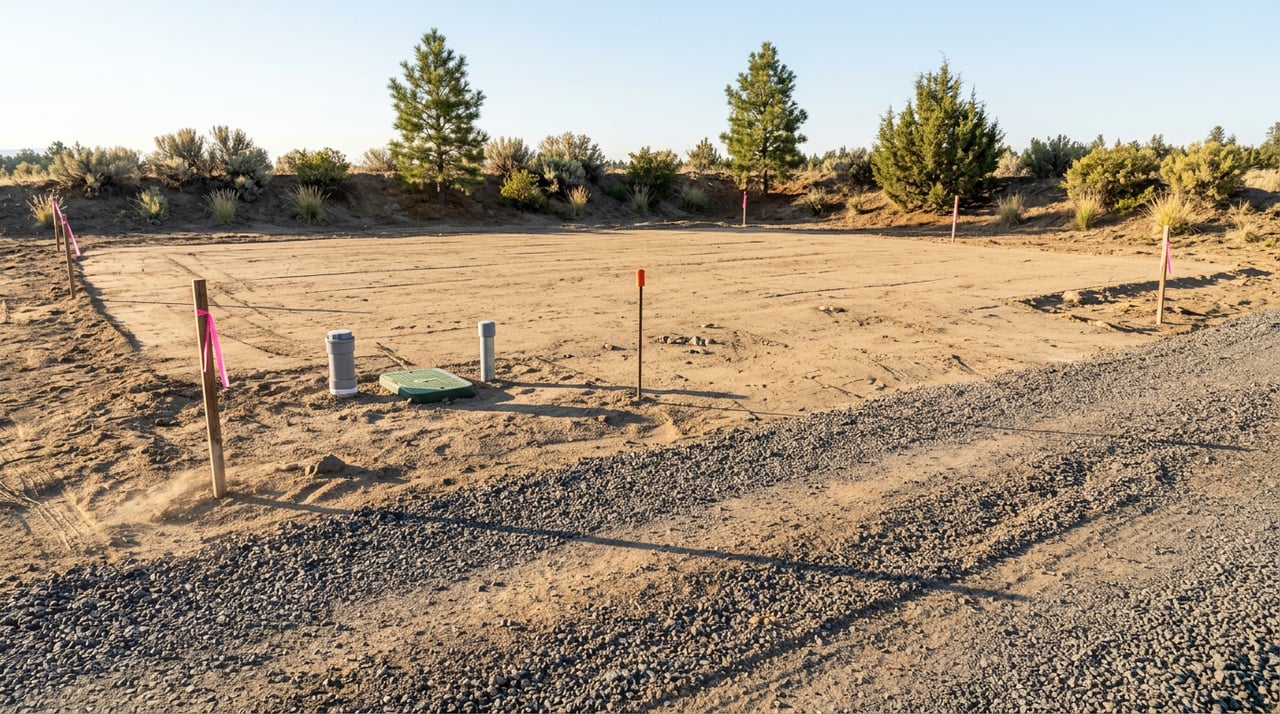
Buying land near Carson City so you can build later sounds simple until you hit questions about water, septic, access, and permits. You want a clear, practical path that helps you avoid surprises and keep options open for your future home. In this guide, you’ll learn what to check first, who to call, and how the local rules work so you can shop land with confidence. Let’s dive in.
Start with zoning and buildability
Before you fall in love with a parcel, confirm what you can actually build. Carson City’s zoning code and Development Standards control uses, setbacks, lot size, and site design. Different single‑family districts allow different home types and accessory uses.
- Review the zoning district for the exact parcel and match your plans to the allowed uses and setbacks in Title 18 and the Development Standards. You can find the official code and standards in the City’s Title 18 and Appendix resource. Read Carson City’s Title 18 and Development Standards
- If your plans don’t fit the base zoning, ask Planning about the path for a variance, special use permit, or rezone. These take extra time and public hearings.
- Check for overlay zones or recorded covenants that may limit placement, height, or accessory structures.
Water, wells, and septic are the big gates
Water and wastewater are often the make-or-break items for rural or edge‑of‑town parcels. Sort these early.
Water service or domestic well
- Municipal water: If city water is available, confirm connection points, fees, and timing during your pre‑application call.
- Domestic well: If city water is not available, ask the Nevada Division of Water Resources about the rules for new domestic wells and water rights when parcels are created. Nevada has a formal process that can require relinquishing or dedicating water rights for new lots using domestic wells. Review NDWR’s Affidavit to Relinquish for domestic wells
Sewer connection or onsite septic (OSDS)
- City sewer: If a main is close enough, connecting to municipal sewer may be required. Ask the City’s Development Engineering team whether the parcel lies in a mandatory sewer‑connection area and what that means for timing and fees. See Carson City’s Development Engineering Division
- Septic: Where sewer is not available, you must confirm onsite sewage disposal system feasibility. Nevada’s OSDS guidance requires percolation testing, minimum test‑hole standards, and an engineer‑stamped design for many systems. These rules directly affect whether a leach field will be allowed and where it can sit. Read NDEP’s OSDS guidance WTS‑23
Confirm access, easements, and road approach
You need legal, buildable access, not just a dirt track on satellite imagery.
- Verify legal access through recorded frontage or easements. A title report and parcel map review help surface these details.
- If you need to build or improve a driveway that connects to a public road, the City may require an encroachment or approach permit. Sight distance, culverts, and surface type may come up in review. Contact Development Engineering for right‑of‑way and encroachment questions
- For private roads, confirm who maintains them and whether a road maintenance agreement exists.
Check site constraints and natural hazards
Northern Nevada’s terrain is beautiful and rugged. A few early checks can save you months.
- Flood risk: Use FEMA’s Flood Map Service to check if the parcel lies in a mapped flood zone. Flood status can change building elevation requirements and insurance. Look up FEMA Flood Maps
- Wildfire and defensible space: Parcels in the wildland‑urban interface may need fuels reduction and ongoing maintenance. The Carson City Fire Department’s Wildland Fuels team outlines defensible‑space standards and seasonal restrictions. Review Carson City’s Wildland Fuels resources
- Seismic and soils: The Reno–Carson corridor has mapped faults and areas that call for geotechnical review. Many lots will need a soils or geotech report during permit review, especially on slopes. See NBMG’s Carson City earthquake hazard overview
Understand Carson City’s permit process
Carson City runs a coordinated plan review, which makes it easier to get one set of comments rather than chasing multiple departments.
- Start with a pre‑application call to the City’s Permit Center. Ask about zoning fit, utility availability, required studies, and whether any sewer‑extension rules apply to your lot. Visit the Carson City Building Division Permit Center
- Prepare technical studies in parallel: boundary survey, soils or geotech, septic perc if needed, well logs or water‑rights checks, and a basic site plan showing driveway, drainage, and utilities.
- Submit plans through the online portal. Building, Planning, Fire, Engineering, and Environmental Health will review them together and issue one consolidated correction letter. Address comments, pay fees, and the City will issue permits. Inspections follow during construction.
Projects that fit zoning and do not need discretionary approvals often review in weeks to a few months, depending on plan completeness and response times. Public hearings for variances or rezones add more time, so build that into your schedule.
Don’t miss long‑term obligations
Your holding costs can change over time as infrastructure expands.
- Sewer extension programs: Carson City has resolutions that can require a connection to sewer when it becomes available, sometimes with limited fee‑waiver windows. If you start with septic, you may need to plan for a future sewer tie‑in.
- Fire fuels management: Many vacant parcels require ongoing weed and fuels management, which helps with both permit readiness and insurance.
- Insurance considerations: Flood and wildfire exposure may affect premiums. Check these during due diligence so you are not surprised later.
Quick due‑diligence checklist
Use this starter list to make sure the parcel fits your plan before you write a firm offer.
- Verify parcel details and zoning
- Pull the parcel map and confirm zoning overlays. Use the Carson City Assessor’s parcel maps
- Match your intended home type and size to allowed uses, setbacks, and lot standards. Check Title 18 and Development Standards
- Confirm utilities and costs
- Water: Ask the City if municipal water is available. If not, call NDWR about domestic well options and whether water‑right actions apply. Review NDWR’s domestic well form 4041
- Sewer vs septic: Ask Development Engineering about sewer proximity and any mandatory connections. If septic is needed, schedule percolation testing and hire a Nevada‑licensed engineer. Use NDEP’s OSDS guidance WTS‑23
- Power and gas: Contact utilities for service availability and extension costs. See NV Energy’s service information
- Nail down access and roads
- Confirm legal access in title and on the parcel map. For driveways to public roads, ask about encroachment permits. Talk with Development Engineering
- Run hazard checks early
- Check flood maps and wildfire defensible‑space needs. FEMA Flood Maps and Carson City Wildland Fuels
- Ask if a soils or geotechnical study will be required for your site. NBMG seismic overview
- Plan your permit path
- Call the City’s Permit Center for a pre‑application check and timeline guidance. Carson City Building Division
What to expect on timing and budget
- Plan review: Lots that fit zoning and have complete plans often move through coordinated review in weeks to a few months. Variances or rezones add multiple months.
- Studies and testing: Soil, perc, and survey work can run in parallel. Schedule these as contract contingencies to protect your deposit.
- Utility extensions: Power, water, gas, and telecom extension costs vary by distance and terrain. Get written estimates for your parcel.
- Future ties: If your lot may be asked to connect to sewer later, model that potential cost now so it does not surprise you after you build.
How a local land pro helps
You can do a lot on your own, but a land‑focused agent speeds things up. A good pro knows which questions to ask the Permit Center, how to read parcel maps and recorded easements, and which engineers to call for perc tests and soils. That means you make a cleaner offer, lock in the right contingencies, and move forward only on land that can support your future home.
Ready to explore land near Carson City with a clear plan? Talk with a Northern Nevada land specialist who works this process every day. Reach out to Kimberlie Buffington for practical guidance and local due diligence support.
FAQs
What should I check first when buying land near Carson City for a future home?
- Start by confirming zoning and setbacks in Carson City’s Title 18, then verify water and sewer options, legal access, and basic hazards like flood and wildfire before making an offer.
How do I know if I can use a domestic well on my Carson City parcel?
- Ask the Nevada Division of Water Resources about domestic well rules and water‑right requirements tied to parcel creation, including NDWR’s Form 4041 procedures for new lots.
Can I install a septic system anywhere outside the sewer service area?
- No. Nevada’s OSDS rules require percolation testing, meeting minimum test‑hole standards, and often an engineer‑stamped design to confirm a leach field is feasible on your site.
Who issues permits and reviews plans for new homes in Carson City?
- The Carson City Building Division coordinates a one‑stop plan review with Planning, Fire, Engineering, and Environmental Health, then issues permits and handles inspections.
How do flood, wildfire, and earthquakes affect my future home plan?
- Flood status can change elevation and insurance needs, wildfire areas require defensible space, and local seismic conditions may trigger geotechnical studies and code‑level design.